A United Nations special rapporteur has concluded there are “reasonable grounds to believe” that the U.S. military’s campaign of launching lethal airstrikes against boats suspected of drug trafficking in international waters constitutes crimes against humanity under customary international law.
Rising death toll across international waters
In a formal briefing published by Ben Saul, the UN Special Rapporteur on Human Rights and Counter-Terrorism, the U.S. operations were characterized as “serial extrajudicial killings.”
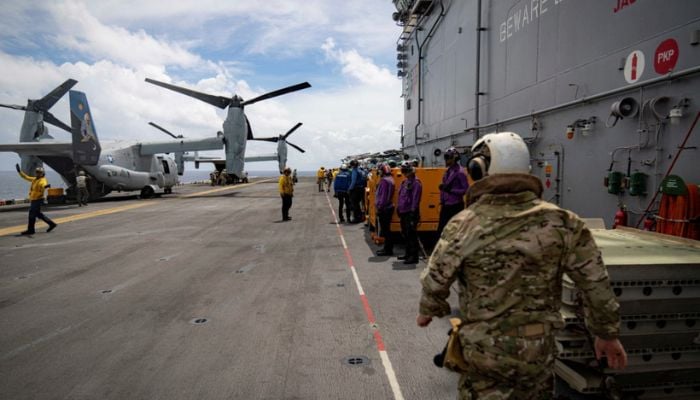
Since the campaign began in September 2025, U.S. forces have carried out dozens of drone and jet strikes across the Pacific Ocean and Caribbean Sea. Over 230 people have been killed in at least 69 separate attacks. The latest strike killed four people aboard a suspected “go-fast” vessel.
Rejection of U.S. self-defense claims
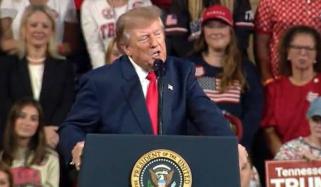
The Trump administration has consistently defended the campaign, classifying narcotics networks as foreign terrorist organizations and framing the strikes as lawful self-defense.
However, the UN report explicitly rejects this legal justification. The rapporteur emphasized that suspected criminal crews do not constitute a military threat or pose an imminent armed attack against the United States, meaning lethal military force violates international humanitarian law, maritime law and the fundamental right to life.
Growing global backlash
Human rights organizations and lawmakers have raised intense criticism over the lack of due process, public intelligence, or physical identification of the victims killed at sea.
With growing reports that some victims were low-level traffickers or innocent fishermen, international legal experts are intensifying calls for independent investigations and an immediate end to the military campaign.