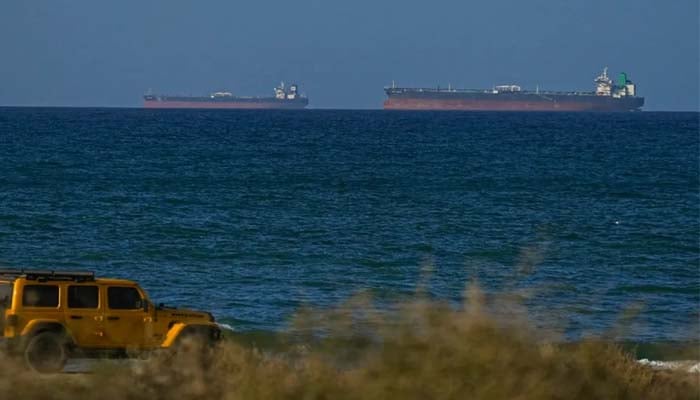
The Strait of Hormuz remains the centre of the intensifying US-Iran conflict, with tensions in the vital waterway continuing to raise concerns over global energy supplies.
Here are some of the latest and major developments shaping the crisis as of today, September 26, 2026.
1. Iran has offered a seven-day plan
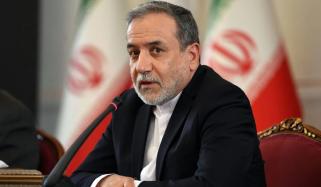
Iran has proposed reopening the Hormuz within seven days if the US meets multiple conditions. Iranian Foreign Minister Abbas Araghchi stated, "The choice now rests with the United States," he said, adding the plan was delivered to the US via Qatar.
"If the necessary conditions are met, the strait can be reopened, a normal maritime passage restored within seven days."
These plans aimed to ease the US naval blockade, lifting sanctions on Iranian oil sales and implementing a ceasefire covering the wider conflict, including Lebanon. Tehran has also proposed restarting negotiations over its nuclear programme.
However, as per the latest update, the US President Donald Trump has reportedly rejected it.
2. Trump has reportedly rejected the proposal
As mentioned earlier, Tehran has currently been anticipating Trump’s response after Reuters latest report suggested Trump’s refusal to Iran’s seven-day plan.
The reported rejection adds to another layer of uncertainty to the waterway's reopening amid increasing mediatory efforts by different countries to resolve the ongoing conflict.
3. Trump posted a “Trump Strait” map
Amid the latest diplomatic developments, Trump shared an image on Truth Social showing the Strait of Hormuz labelled “Trump Strait.”
The waterway has not been officially renamed internationally, and the post came shortly after Iran announced its proposal to reopen the strait.
5. Global energy markets eyeing oil prices
Amid the ongoing Hormuz related crisis, the crisis has kept on imposing economic turmoil worldwide, with lower-economy countries facing significant effects.
However, the entire global energy markets remain under pressure due to the Hormuz related crisis, as it’s a major route for Gulf oil and gas exports.
Brent crude was trading above $105 a barrel on September 25, while uncertainty surrounding shipping through the strait continued to influence prices.
6. The economic impact could spread globally
A prolonged disruption could affect crude prices. Shipping costs, insurance, fuel prices and the cost of imported goods could all come under pressure if normal maritime traffic remains restricted.
The latest diplomatic efforts therefore have implications far beyond the Middle East, particularly for countries dependent on Gulf energy supplies.
The focus is primarily on whether Washington and Tehran can strike a deal that renews shipping through the strategic waterway, relieving global economical issues.