The death of a 28-year-old woman who worked in an anti-plague laboratory in Russia is raising concerns about what caused her illness.
As per the World Health Organization, the woman died on Friday, October 2, with no cause of death confirmed. A Russian official said the woman died of pneumonia of “undetermined” origin and did not link her death to her work at the Irkutsk Anti-Plague Institute of Siberia and the Far East.
Darya Shipilova was identified by her mother and Russian media outlets as the lab worker.
On Tuesday, the Centers for Disease Control and Prevention said on X that it is monitoring “reports of a suspected case of pneumonic plague in the Irkutsk region of Russia that resulted in a death,” although the circumstances of the case “remain unconfirmed.”
Russian officials are still investigating the cause of the death, but they say those who came into contact with the researcher all tested negative for pneumonic plague.
What is pneumonic plague?
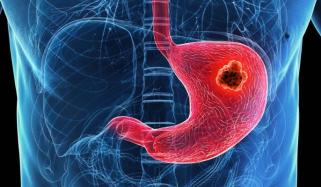
Pneumonic plague is a really serious lung infection, often described as the most virulent form of plague, BBC reported.
There are two other types of plague: bubonic, which affects the lymph nodes; and septicaemic, which affects the blood.
Pneumonic plague can occur after an initial infection of one of these other types.
Symptoms
Symptoms include shortness of breath, chest pain, and often coughing up blood.
It's regarded as being more serious but less common than bubonic plague.
The global number of infections of all three types of plague varies each year, but it is probably somewhere between 1,000 to 3,000 cases.
Most of these are bubonic plague, and many of them occur in central Africa, but cases also develop in other places, including Russia, India, China, and the United States.
How does it spread?
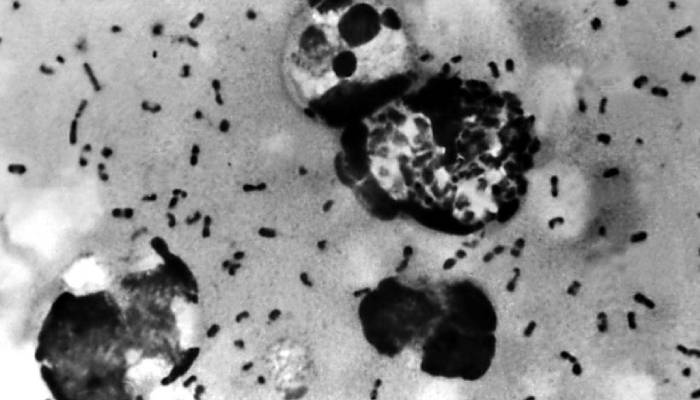
Plague is an infectious disease caused by bacteria usually found in small mammals and their fleas.
You can catch it by getting bitten by an infected flea or handling an infected animal.
But human-to-human transmission of pneumonic plague is also possible through coughing infected droplets into the air, which are then breathed in by another person, although this normally requires quite close contact.