Many inventors dream of changing the world for the better. Some later wished they had never started
Nobel’s explosive legacy
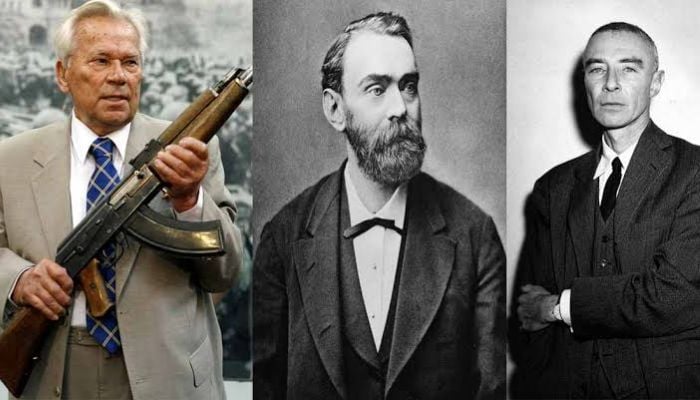
In 1867, Alfred Nobel invented dynamite to make mining safer. Armies soon used it in wars. A newspaper once called him the “merchant of death.”
Shocked, Nobel used his fortune to create the Nobel Peace Prize. He wanted to be remembered for peace, not destruction.
The rifle that spread too far
Mikhail Kalashnikov designed the AK-47 in 1947 to protect his country. The gun became one of the most used weapons in the world.
Near the end of his life, Kalashnikov wrote to the Russian Orthodox Church. He asked if he was to blame for the many deaths caused by his invention. He felt deep spiritual pain.
The bomb that haunted its creator
J. Robert Oppenheimer led the team that built the atomic bomb. After the bombs fell on Japan, he felt the weight of what they had done. He later quoted an ancient text:
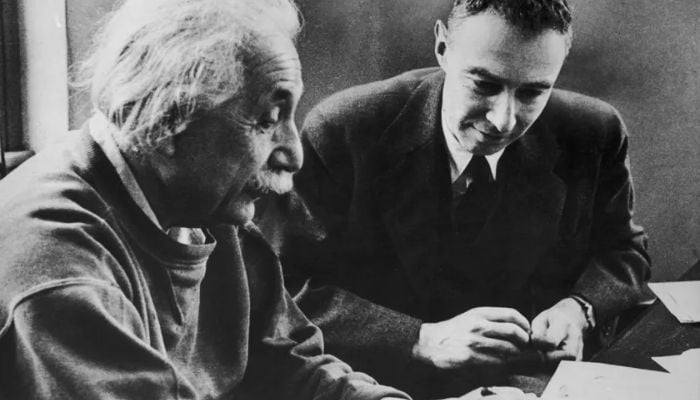
“Now I am become Death, the destroyer of worlds.” He spent years calling for control of nuclear weapons.
Everyday inventions, everyday regrets
Not every regret involves war. John Sylvan created the K-Cup coffee pods. He later said he felt bad about the huge amount of plastic waste they produced.
Anna Jarvis started Mother’s Day to honor mothers. She later fought against its heavy commercial side. Wally Conron bred the first Labradoodle. He later called it opening a “Pandora’s box” because of health problems in many designer dogs.
These stories show a clear pattern. Good intentions can lead to outcomes the inventors never wanted. Their regrets remind us that every new idea carries responsibility.