Russia has issued a serious nuclear warning to NATO. In a formal document sent late last month, Moscow said it is ready to use every weapon it has including nuclear weapons if the Western alliance tries to cut off the Russian region of Kaliningrad.
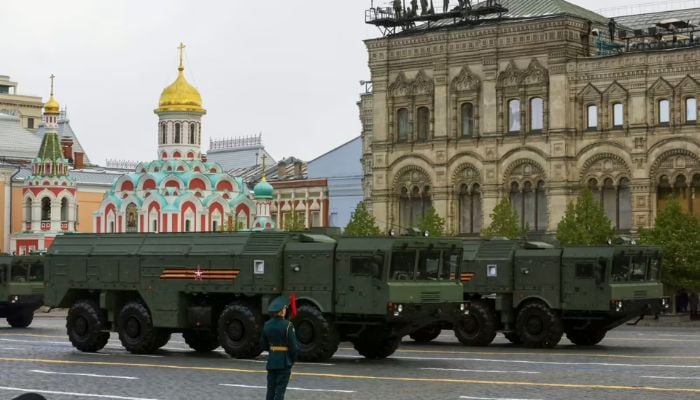
Kaliningrad is a small piece of Russian land on the Baltic Sea. It sits between Poland and Lithuania, both NATO members. Russia keeps important military forces there including missiles.
Moscow accuses NATO of dangerous plans
In the note, Russia claimed NATO is following a “dangerous and reckless course.” It said this could lead to direct armed conflict. The document even warned of possible Russian strikes on decision-making centers in NATO countries right at the start of any fight.
Russian embassies in Europe repeated the message. They claimed they had information that NATO was preparing an air and naval blockade of Kaliningrad. Kremlin spokesman Dmitry Peskov later called the warnings a natural reminder to “hotheads in Europe.”
NATO strongly rejects the threat
NATO answered quickly, Secretary General Mark Rutte said the alliance is purely defensive and told Russia to stop the nuclear threats.
A written NATO reply stated that none of its exercises or activities threaten Russian territory. The alliance also urged Russia to end its war in Ukraine and drop what it called “irresponsible nuclear rhetoric.”
Putin repeats the message
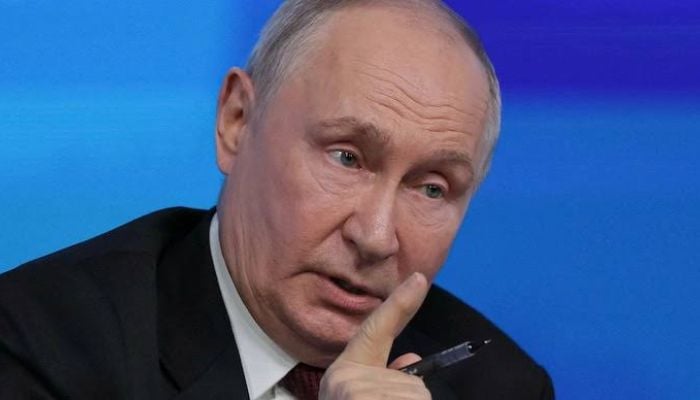
Days later, President Vladimir Putin spoke at a security forum. He said that if Russia’s territory including Kaliningrad came under direct attack, Moscow would use “all weapons” at its disposal. He added that no one can be sure nuclear weapons will never be used.
Tensions in the Baltic region have grown because of NATO military exercises and Russia’s ongoing war in Ukraine. Experts say the exchange marks one of the strongest nuclear threats Russia has made to NATO since the Cold War. Both sides continue to insist they do not want open conflict, yet the warnings keep raising global concern.