
Kelly Osbourne is opening up about life after dramatic weight loss, revealing that she has regained 30 lbs. and reflecting on the personal struggles she faced along the way.
What Kelly Osbourne revealed about regaining 30 lbs
While conversing with The Sun, the former reality star, 41, revealed that she’s gained nearly 30 lbs. since appearing at the 2026 BRIT Awards in February.
“I didn’t know that I looked like that until I saw the pictures,” she recalled of her dramatic weight loss.
Osbourne added, “When I saw them, I couldn’t f---ing believe it. I was as shocked as everyone else.”
“It wasn’t an eating disorder. I just couldn’t do anything for myself,” she shared, before adding, “Eating made me feel like I wanted to throw up.”
After losing her father, Ozzy Osbourne, on July 22 and ending her engagement to Sid Wilson soon afterward, Kelly said she had endured “the worst year” of her life.
“In so many ways, I can’t even explain to you,” she told the outlet.
Osbourne mentioned, “But it’s also been really beautiful because I’ve learned that my grief is an honor, as I truly love someone that much.”
The One Word singer said she turned to her late father, Black Sabbath frontman for help, visiting his grave during one of the most difficult periods of her weight-loss journey.
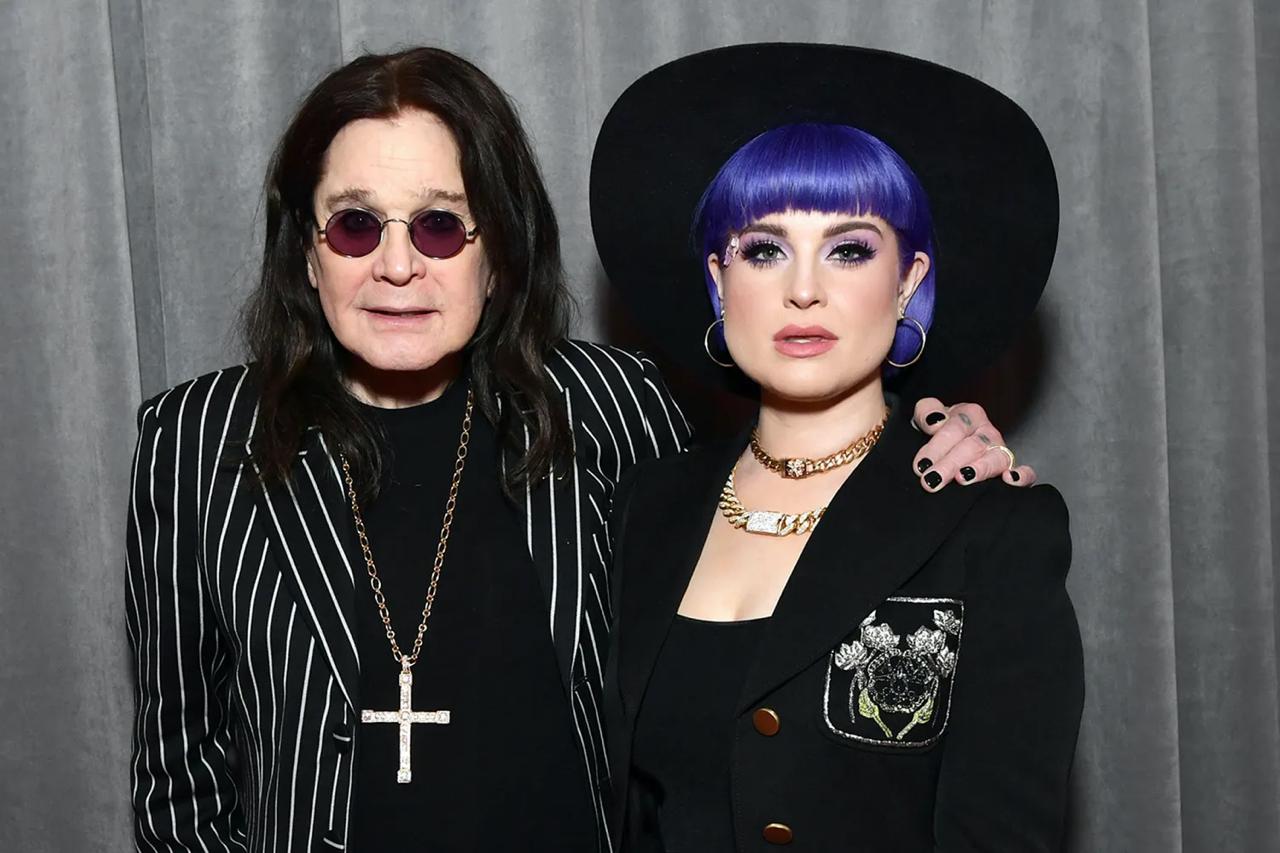
“I know this sounds woo-woo, but I do candle magic a lot,” she said.
Osbourne noted, “My dad told me he would send me messages. It felt like everything inside me was dead, and I didn’t want my son to see me like this.”
Despite being open about her health struggles since The Osbournes, she shared that she rarely expects kindness.
“Most people aren’t kind,” Osbourne said, adding that she was simply asking for understanding because “there’s a lot more to the story than meets the eye.”
Why stress causes weight loss
Stress can contribute to unintentional weight loss by triggering the body’s “fight-or-flight” response, which releases hormones such as adrenaline and cortisol.
These changes can suppress appetite, cause nausea and digestive discomfort, and temporarily increase energy expenditure.
Stress can also disrupt daily routines, leading people to skip meals or eat less than usual.