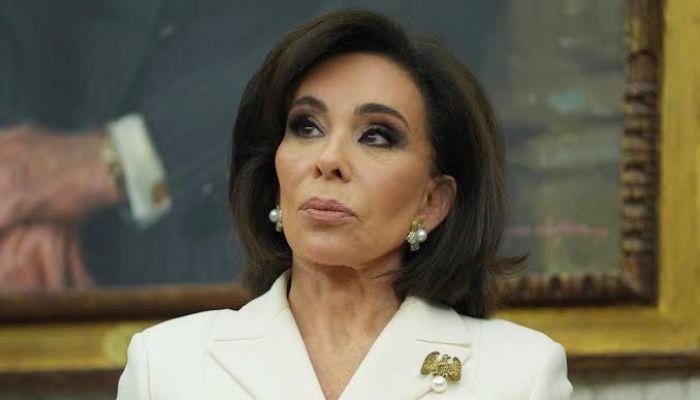
U.S. Attorney Jeanine Pirro has taken a rare procedural step by convening a special grand jury in Washington, D.C. Unlike standard grand juries that handle routine criminal matters daily, a special jury focuses exclusively on a single complex case or a specific series of related events.
Investigative authority
These specialized bodies possess unique investigatory powers compared to typical panels. They can sit for up to 18 months, subpoena high-level records and are fully empowered to issue a formal public report detailing their findings at the conclusion of their investigation.
Mounting political friction
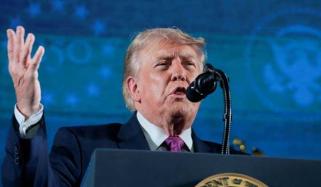
The decision follows intense political pressure surrounding Pirro’s office. President Donald Trump recently criticized her after prosecutors dropped charges against an Olympic athlete accused of damaging the Lincoln Memorial Reflecting Pool.
Trump publicly accused her office of “folding ‘like an umbrella’” after investigators determined the damage resulted from a “botched installation” by a contractor rather than vandalism.
Resistance in local courts
Pirro has also faced recurring hurdles securing indictments from regular grand juries in Washington. In one major setback, a federal grand jury “uniformly refused to indict six Democratic lawmakers” targeted by prosecutors.
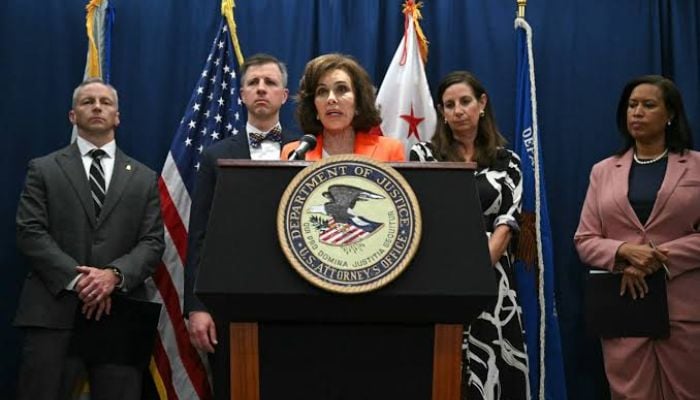
Defense lawyers noted that “there has been a significant strain on both the manpower and the morale” inside the U.S. Attorney’s Office as several high-profile cases collapsed.
Next steps for prosecutors
By utilizing a special grand jury, Pirro can build a comprehensive evidentiary record over an extended timeline. This approach gives federal prosecutors a structured framework to conduct thorough probes and issue authoritative findings in sensitive cases.