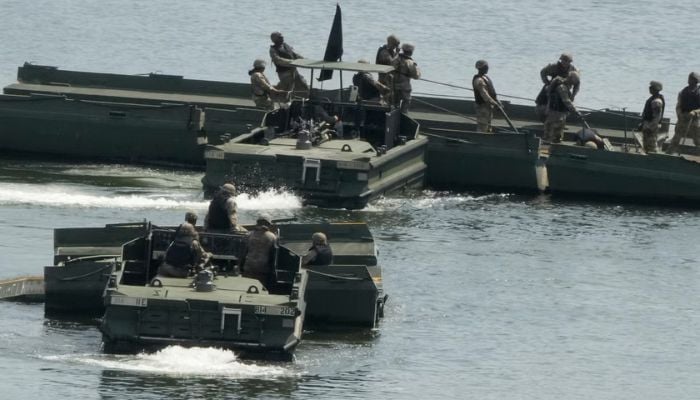
North Korea has fiercely criticized the joint military exercises conducted by the United States and South Korea. Official state media described the annual Ulchi Freedom Shield exercises as “frantic,” “extremely dangerous” and a “most immediate and open threat.” Pyongyang warned it plans to “completely frustrate its rivals’ hostilities” through strong deterrents.
Trump intervenes to scale back drills
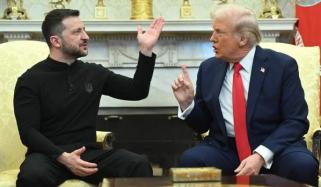
In a sudden move, US President Donald Trump ordered the Pentagon to “substantially reduce” the joint operations. Following his directive, allied officials agreed to cut the 11-day training exercises short ending them an entire week earlier than planned.
Live-fire events were either canceled or converted to simulations. Trump defended his decision by stating he was “not happy” with the exercises calling them costly and “totally inappropriate and hostile.”
Overtures to Kim and tensions with Seoul
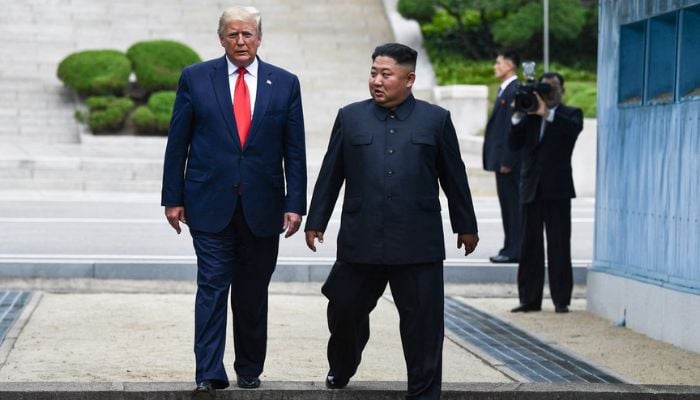
Trump linked his decision directly to his ongoing outreach to North Korean leader Kim Jong Un. Highlighting his personal history with the leader, Trump told reporters: “I’m actually making it much safer. Kim Jong Un has always treated me with great respect.”
When asked if Kim had responded to recent peace offers, Trump hinted at open communication, asking, “How do you know he hasn’t responded?”. Meanwhile, Trump criticized South Korea, calling it “strange” that Seoul refused to aid U.S. operations regarding Iran.
Doubt cast over future diplomacy
Despite Trump’s efforts, experts caution that Pyongyang will likely resist new diplomacy unless Washington drops its demand for denuclearization. Analysts note North Korea only finds value in the complete cancellation of military drills rather than partial reductions.