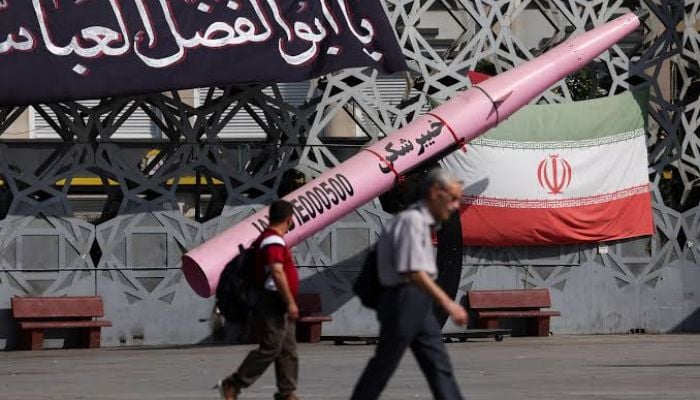
Tensions between Washington and Tehran have escalated sharply after Iranian officials strongly condemned a new wave of U.S. economic measures.
Iranian Foreign Ministry spokesperson Esmaeil Baghaei described the sanctions as a “declaration of war” on all nations arguing that Washington is illegally overriding local laws.
He stated the sanctions represent “an attempt by the United States or exert extraterritorial sovereignty over all independent UN members states.”
Defense of trade rights
Tehran argued that secondary sanctions violate basic international agreement. Baghaei emphasized that “no government has the right to force foreign banks, enterprises, or airports” to refrain from “legitimate trade with a third country.”
He warned that surrendering to such pressure would result in “a catastrophic return to blatant, full-scale colonialism.”
Military strategy shifts
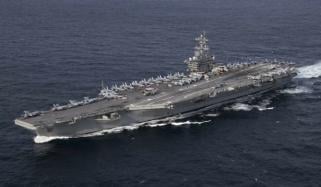
As financial pressure increase, Iran’s military is adjusting its posture. Army spokesman Brigadier General Mohammad Akraminia announced that the military doctrine is shifting from a “defensive” to an “offensive” posture.
At the same time, Iranian President Masoud Pezeshkian claimed victory over American economic pressure, stating “the entire world approved our victory and the U.S. is hated.”
Washington demands a deal
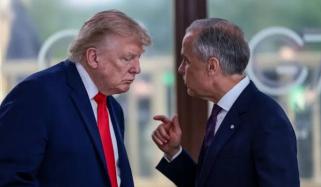
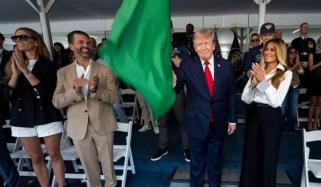
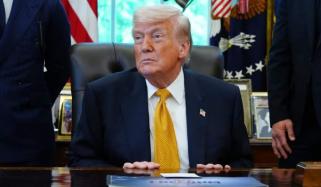
In response, U.S. President Donald Trump maintained a firm stance over critical regional shipping lanes, stating that he views “the Strait of Hormuz as an American territory right now.”
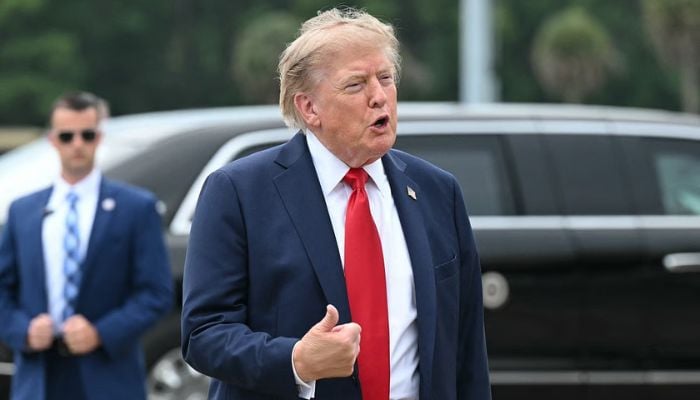
Commenting on potential diplomatic negotiations, Trump added that Iranian leaders “would love to make a deal but they’re not ready to make the right deal in my opinion.”
Diplomatic efforts continue
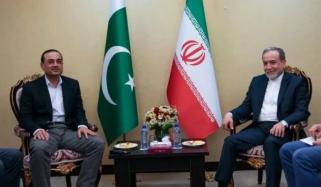
Meanwhile, neighboring countries are stepping in to restore trade routes and lower tensions. Foreign ministers from Oman and Iran held talks aimed at creating conditions to safely resume passage through the vital of Hormuz.