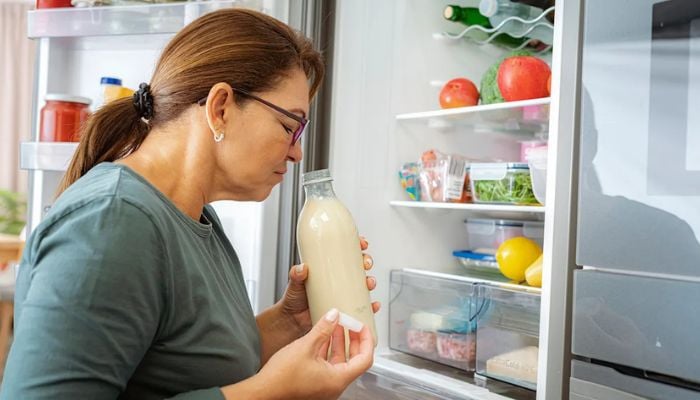
Experts keep warning home cooks about the same kitchen mistake. Putting certain everyday foods in the fridge does more harm than good. Cold temperatures change texture, dull flavor and sometimes make food spoil faster.
Here is the latest simple advice on what belongs outside the fridge.
Tomatoes lose their best taste
Cold breaks down tomato cell walls. The fruit turns mealy and loses its natural sweetness and aroma. Keep whole tomatoes on the counter away from direct sun. Only refrigerate them after cutting and use them quickly.
Potatoes turn gritty and sweet
Fridge temperatures convert potato starch into sugar. Cooked potatoes then taste oddly sweet and feel gritty. Store them in a cool, dark, dry place with good air flow, such as a pantry basket or paper bag. Keep them away from onions.
Onions and garlic prefer dry air
Moisture in the fridge makes whole onions soft and prone to mold. Garlic can sprout and turn rubbery. Both need a cool, dry, well-ventilated spot. Once peeled or cut, move them into the fridge in a sealed container.
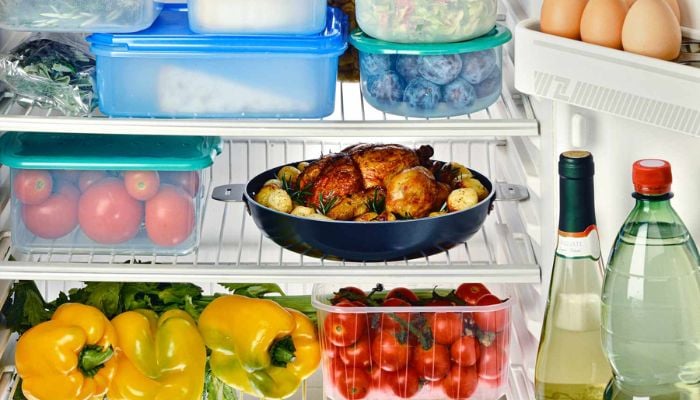
Bread goes stale faster
Cold speeds up the process that makes bread dry and tough. Leave loaves at room temperature in a bread box or airtight bag for a few days. Freeze extra bread if you need longer storage.
Bananas and coffee suffer too
Cold turns banana skins black and can leave the fruit mushy inside. Coffee beans and grounds absorb fridge smells and moisture which ruins the taste. Keep both on the counter in a dry place.
These small changes free up fridge space and protect flavor. Check labels on sauces and other opened items but for the foods above, room temperature is usually best. Simple storage swaps help food last longer and taste better every day.