While humans often consider a century a full lifetime, the natural world regularly shatters that benchmark. Across the globe – deep within the oceans and on remote islands – birds, reptiles and marine species survive for hundreds or even thousands of years.
Deep-sea secrets
The ocean harbors some of Earth’s most ancient creatures. In 2006, scientists discovered an ocean quahog clam off the coast of Iceland names “Ming the Mollusk.”
Research revealed Ming was born in 1499 – making it 507 years old – before its shell was opened for study. Yet, invertebrates are not alone in defying age.
Deep-sea Greenland sharks hold the record for the longest-living vertebrates with lifespans estimated between 272 and nearly 400 years.
Biological wonders
Longevity varies widely across ecosystems. Land creatures like Aldabra and Galapagos giant tortoises routinely live past 150 years, while Bowhead whales can glide through Arctic waters for over two centuries.
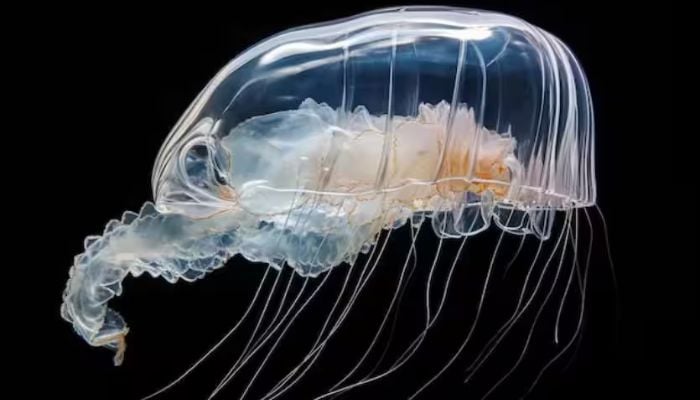
Even more fascinating is the Turritopsis dohrnii or “immortal jellyfish,” which can revert its adult cells back to a juvenile state when stressed, effectively resetting its lifespan indefinitely.
Unlocking longevity
Scientists continue to study these species to uncover the secrets of biological aging, cellular repair and disease resistance. Understanding how these extreme lifespans work could eventually transform modern medicine and open new doors for human longevity.