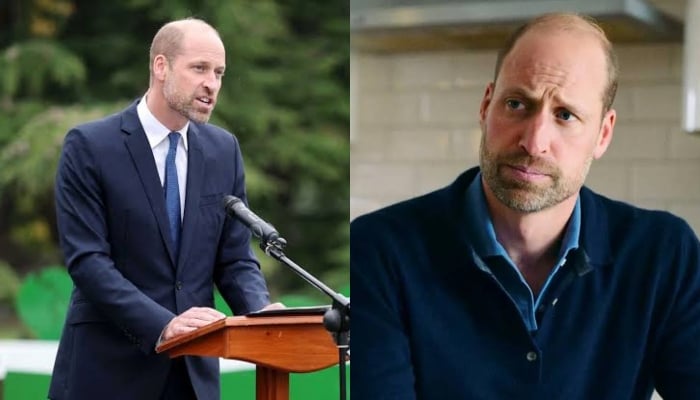
Prince William has been advocating for one of the world's biggest societal issues!
Every year, the Prince of Wales has brought stories of mental health victims to combat the mission close to his heart.
On Saturday, October 10th, Kensington Palace shared the voice recording of an unidentified person dealing with an emotional disorder.
In the audio message, it can be heard two people having a conversation as they begin with a greeting and check up on one of their friends, who has gone missing.
However, the conversation focuses on friends checking up on their relatives and friends who have not stepped out of their homes or have gone missing.
"Every day in the UK, around 20 people die by suicide. Behind every number is a person, a family and people who love them," the Prince and Princess of Wales stated in the caption.
The statement continued, "If you’re worried about someone, reach out. Ask how they’re really doing. Listen. Let them know they’re not alone. One conversation can change everything. W."
Prince William, who has been urging people to support their friends and advocating to combat suicide, William, 44, additionally said, "If you or someone you know needs support, visit the Hub of Hope website or for immediate support call 111."
"If you’re based outside the UK, contact support through your local health service," he continued.
Why World Mental Health is close to Prince William's issue?
The next heir to the British throne, whose own late mother once dealt with depression after her painful marriage and separation from King Charles III, has been raising awareness and publicly urging for suicide prevention since 2016.
Key initiatives and campaigns
Heads Together, Shout, National Suicide Prevention Network & On Your Side are His Royal Highness’s key initiatives.
Heads Together
The father of three launched Heads Together in partnership with his life partner, Kate Middleton and Prince Harry in 2016.
Shout
He also established his project Shout in 2019 that aims to support service for people experiencing a mental health crisis, backed by £3 million from the Royal Foundation.