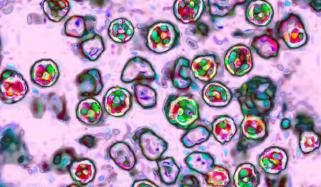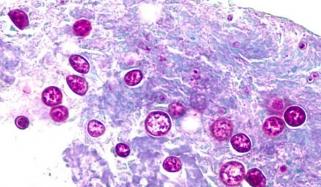
US health officials have raised concerns over the rapid spread of Candida auris (C.auris), a drug-resistant fungal infection that may endanger your health in hospitals and long-term care facilities.
As per the US Centers for Disease Control and Prevention (CDC), over 3,000 cases have been reported across 23 countries this year, with Texas recording the highest number of infections, followed by Michigan and Illinois.
The CDC has documented a sharp raise in infections over recent years, with cases seeing a significant increase from 2,882 in 2022 to 6,197 in 2024.
Health experts raised some serious concerns because some strains of Candida auris have developed resistance to several antifungal drugs, making infections difficult to treat.
The infection may enter the bloodstream through medical devices such as catheters, breathing tubes, and IV lines, posing a serious threat on your health.
Researchers projected that between 30% and 60% of infected patients have died, although many had other serious underlying health conditions.
While the fungus rarely causes illness in healthy people, it can be fatal for immunosuppressed patients or those getting care in hospitals and nursing homes.
What is Candida auris?
Candida auris is a type of invasive yeast that can cause deadly infections, especially in people with weakened immune systems.
Experts underscored that Candida auris transmits primarily within healthcare settings and is likely to survive on medical equipment and surfaces for weeks, raising the risk of transmission.
They strongly advised strict infection-control measures, including isolating infected patients, using gowns and gloves, thorough disinfection, and rapid laboratory identification.
The CDC urges healthcare facilities to place infected patients in private rooms and follow rigorous hygiene protocols.
For the general public, experts stressed to remain calm, as the fungus is not widely circulating in communities. However, good hand hygiene remains essential, especially when visiting hospitals or caring for someone with medical devices or chronic health conditions.