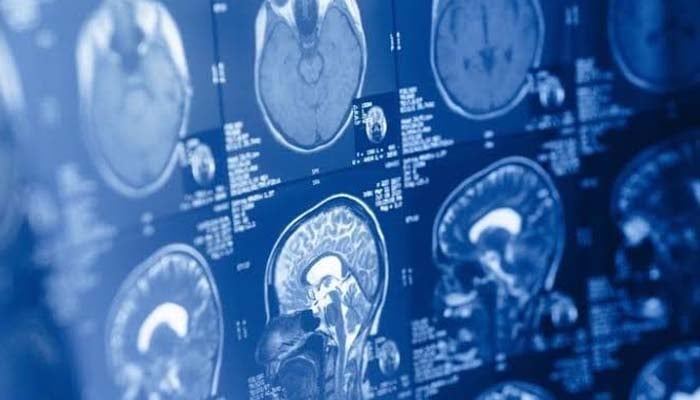
A new Stanford Medicine-led study has challenged the long-held belief that the human brain is a single organ, suggesting rather it entails two separate nervous systems that evolved from different groups of progenitor cells.
As per study published in Nature Neuroscience, the research discovered that the front and back parts of the brain develop from distinct progenitor cells during the embryological period.
Scientists detected one group expressing the Otx2 gene that develops into the forebrain and midbrain, and another expressing Gbx2 that develops the hindbrain, controlling significant physiological functions such as breathing, heart beat, sleep, hunger and more.
The two cell populations followed separate developmental pathways and did not overlap.
Scientists have struggled for several decades to develop human hindbrain neurons in laboratories, limiting study into disorders like spinal muscular atrophy (SMA) and amyotrophic lateral sclerosis (ALS).
The laboratory-grown neurons showed electrical activity and developed proteins characteristic of hindbrain cells, offering a possible new model to study brainstem disorders.
Moreover, scientists discovered evidence of the similar two-origin pattern across hundreds of millions of years of evolution, such as chickens, zebrafish and acorn worms.
The findings could support study into treatments for SMA, ALS and other neurological conditions. The scientists also mentioned that the hindbrain entails circuits involved in hunger regulation, possibly providing insights into obesity treatments.