_updates.jpg)
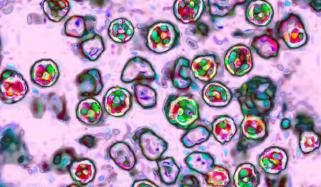
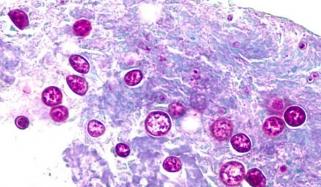
Five people in Louisiana have died and four others were hospitalised due to infections from the fresh-eating bacteria Vibrio vulnificus.
According to Louisiana Department of Health there was a sharp rise in severe cases compared to the state's 10-year average of seven total infections and one death during the same timeframe.
Health officials stated that every patients involved in this year's outbreak had underlying health conditions and suffered open wound exposures to seawater.
What is Vibrio vulnificus?
Vibrio bacteria naturally thrive in warm coastal waters and brackish environments, with infections peaking between May and October as water temperatures rise, according to the US Centers for Disease Control and Prevention.
Humans can contract the bacteria through open cuts exposed to saltwater or by consuming raw or undercooked seafood, particularly oysters.
The infection can lead to bloodstream issues, gastrointestinal illness, severe wound complications, intensive care admission, or limb amputation.
Is Vibrio vulnificus infection contagious?
Talking to Fox News Live, Dr Marc Siegel highlighted that while the infection is serious, it can not be categorised as contagious, meaning a person cannot catch it from another infected individual or spread it to family members through ordinary contact.
The bacteria only cause illness when they enter the body through a specific point of exposure, such as a cut in the skin or the consumption of contaminated seafood.
Who is more at risk of Vibrio vulnificus infections?
According to health officials, approximately one in five individuals infected with Vibrio vulnificus dies, with severe illness developing within one to two days.
High-risk populations include individuals with liver disease, diabetes, cancer, HIV, or stomach conditions, as well as those taking acid-reducing medications or receiving immunosuppressive therapies.
Precautionary measures against Vibrio vulnificus
To reduce risk, health authorities advise residents with open wounds to avoid seawater, cover existing cuts with waterproof bandages, wash exposed skin thoroughly with soap, and cook seafood completely.