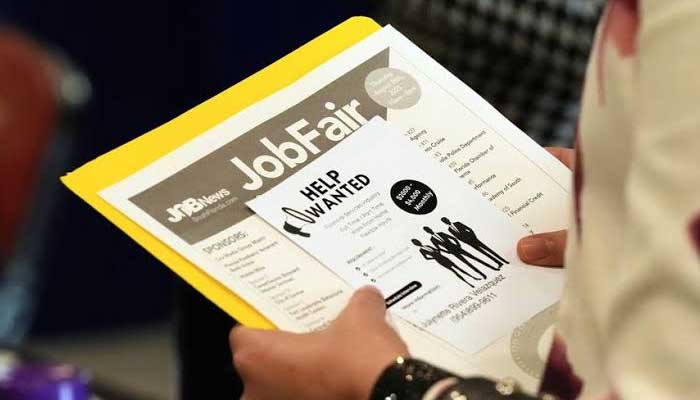
The US labour market delivered a stronger-than-expected performance in August, with employers adding 162,000 jobs, as per the Labor Department’s latest jobs report released Friday.
The US labour market
The gain significantly surpassed economists’ expectations. Bloomberg-surveyed economists had projected 55,000 new jobs, while the unemployment rate was likely to remain the same.
Food services lead job gains
The food services industry added 59,000 jobs in August, making it a significant contributor to employment growth.
Public education also noted a strong raise, adding 42,000 positions.
Healthcare continued to diversify, although at a reduced pace as compared to the early 2026. The industry added 13,000 jobs during the months and has remained a major source of employment growth in 2026.
However, not all areas of the labor market showed strength. The information industry that includes multiple white-collar industries, lost 23,000 jobs, underscoring continued challenges for some professional and technology-related workers.
Economists described the report as surprisingly strong. Heather Long, chief economist at Navy Federal Credit Union, called it a “huge” August jobs report.
Earlier job figures revised
Notably, the latest report brought some positive news via revisions to previous months. July’s employment figures were later revised into positive territory, reversing an earlier reported decline.
Despite promising figures, economists issued a caution against drawing broad conclusions from a single month.
Orphe Divounguy, chief economist at Quantitative Research Group, released a statement, which read, “One month doesn't make a trend.”
"But for now, the labor market looks steady — not strong, not collapsing," the statement added.
Wages continue to raise
Wage growth also remained positive. Average hourly earnings raised 0.3% from July and were up 3.1% from a year earlier.
While annual wage growth of 3.1% would normally be considered healthy, higher oil prices and inflation could limit workers’ real purchasing power.
The report is particularly essential for the Federal Reserve, which is preparing for its September 16–17 meeting.
Policymakers are weighing whether to increase interest rates to tackle persistent inflation, while also considering the risk of exerting extra pressure on a sluggish labor market.