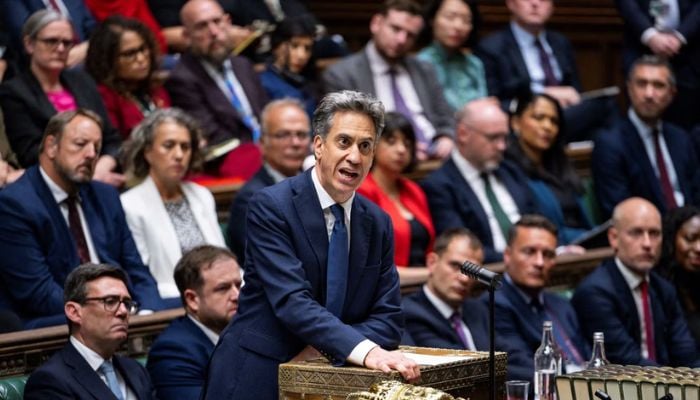
Diplomatic tensions reached a boiling point after the United Kingdom, France and Canada announced coordinated trade restrictions targeting Israeli settlements in the occupied West Bank.
Led by UK Foreign Secretary Ed Miliband, the new measures enact a ban on importing settlement-produced goods alongside restrictions on financial, real estate and construction services linked to expansion projects.
The Western powers cited escalating settler violence and recent settlement expansions as direct threats to a future two-state solution. A joint declaration backed by a coalition of twelve nations urged an immediate freeze on all settlement activities.
Israel retaliates with diplomatic and security countermeasures
The Israeli government strongly condemned the sanctions, labeling them an illegitimate interference in internal affairs. In direct retaliation, Israeli Foreign Minister Gideon Sa’ar announced the closure of the British Consulate in East Jerusalem.

Israel further escalated its diplomatic pushback by excluding the UK from a U.S.-led coordination mission in Gaza, halting British-led security training for Palestinian Authority forces in the West Bank and imposing entry bans on key foreign political figures.
Rising isolation and uncertain future outlook
While exports from West Bank settlements are relatively minor in economic volume, analysts view the coordinated Western policy shift as a milestone in Israel’s growing political isolation.
Prime Minister Benjamin Netanyahu’s coalition continues to defend its policies maintaining that the settlements are built on historically disputed territories rather than occupied land.
With implementation of the trade bans phased for the coming months, global diplomatic pressure on the region is expected to intensify further.