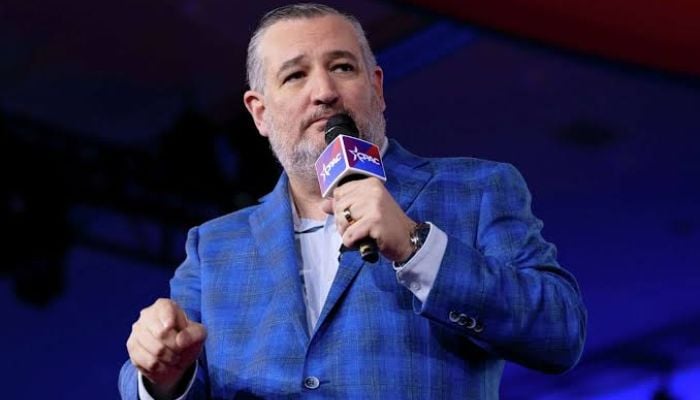
US Senator Ted Cruz (R-TX) and Senator Maria Cantwell (D-WA) introduced the bipartisan Protect College Sports Act to bring stability to the increasingly fragmented landscape of collegiate athletics.
Facing a patchwork of 34 different state-level laws, the NCAA has struggled to enforce standard guidelines. The new legislation seeks to establish a uniform nationwide framework to govern player compensation, roster rules and institutional compliance.
Standardizing compensation and transfers
Central to the bill is a set of nationwide regulations for Name, Image and Likeness (NIL) deals. The act introduces a standard requiring agreements to reflect fair market value, curbing shadow deals made by third-party boosters. It mandates public disclosure for compensation exceeding $600 to increase financial transparency.
Additionally, the legislation targets transfer portal volatility by limiting student-athletes to one penalty-free transfer and capping overall eligibility at five years, subject to limited exceptions like military service.
Bipartisan progress and path forward
The bill advanced out of the Senate Commerce Committee with a strong 19-9 vote and earned public backing from major collegiate conferences. Following the August congressional recess, Senate leadership scheduled the measure for full floor consideration in mid-September.
While the bill faces opposition from critics concerned about athlete market limits, proponents view the bipartisan compromise as a critical step toward preserving fair competition across college sports.