The Bank of England has kept its main interest rate at 3.75% for the sixth consecutive time, while issuing a warning that rates could increase if increased energy prices continue to increase inflation.
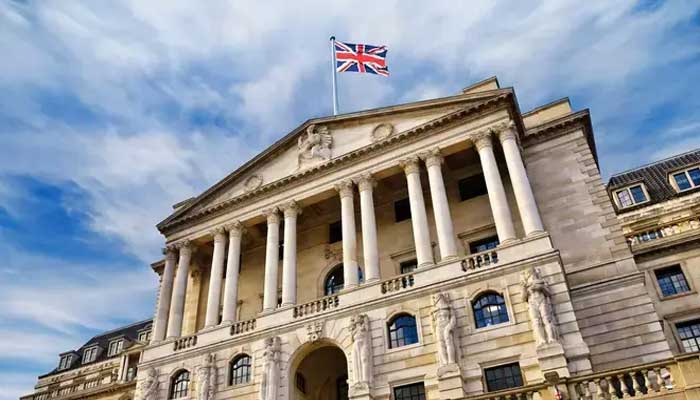
The Bank of England
The decision follows amid significantly rising inflation, partly due to a sharp rise in petrol and diesel rates after disruption to global energy supplies amid the conflict across the Middle East.
Fuel prices impact UK inflation
The Bank of England stated it now expects inflation to increase more than previously forecast.
Moreover, it issued a warning that the household energy price cap for January is likely to see an exponential raise.
Bank of England Governor Andrew Bailey stated, "the bigger the impact it will have on inflation and the more likely it is we will need to raise [the] Bank rate to ensure that inflation falls back to our 2% target."
Andrew further stated that prolonged volatility in energy prices may pose a significant impact on inflation and make it more likely that the Bank would require to increase interest rates to reduce inflation back towards its 2% target.
MPC vote split
The Bank’s Monetary Policy Committee (MPC), which sets interest rates, voted 6-3 to keep the Bank rate unchanged.
Three of the nine committee members backed a raise to 4%, while the remaining six supported keeping the rate at 3.75%.
The Bank rate influences borrowing and saving rates offered by banks and other lenders, affecting households and businesses.
Quantitative tightening paused
Alongside the rate decision, the Bank announced plans to pause its quantitative tightening programme. It will stop its annual sale of government bonds and instead minimise its £488bn bond holdings via smaller sales over eight years.
The Bank had bought £895bn worth of mainly government bonds during periods including the global financial crisis and the Covid-19 pandemic.
Since 2022, it has been reducing those holdings. The Bank stated discussions regarding changing the pace of bond sales started a year ago and were not a response to current market conditions.