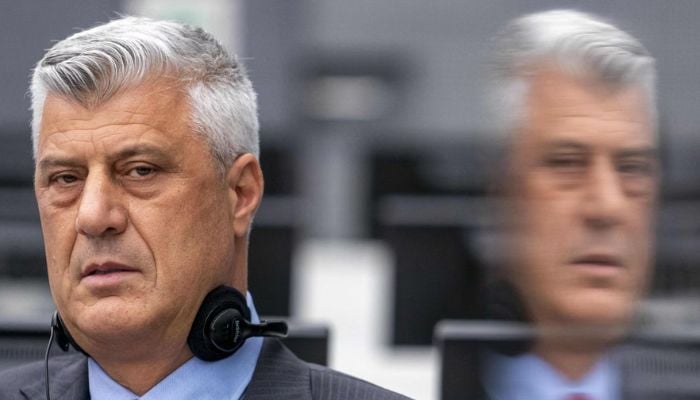
Former Kosovo president Hashim Thaci has been sentenced to 25 years in prison after a special court in The Hague found him guilty of war crimes. The ruling came on Wednesday from the Kosovo Specialist Chambers, a European Union-backed tribunal.
Court finds Thaci responsible for serious crimes
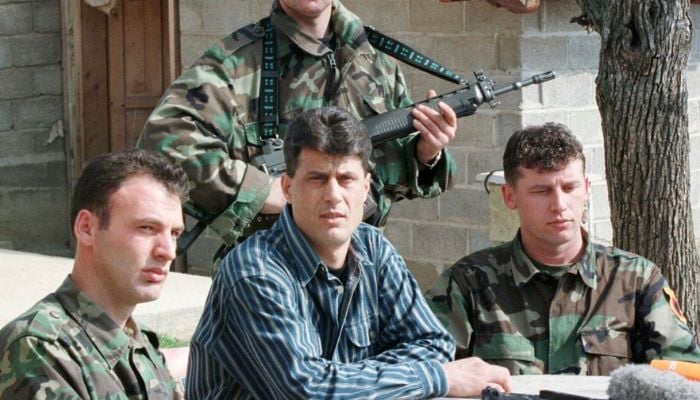
Thaci, 58, was a top leader of the Kosovo Liberation Army during the 1998-1999 fight for independence from Serbia. Judges said he took part in a joint plan that targeted people seen as opponents. This included fellow Kosovo Albanians viewed as collaborators, as well as some Serbs and Roma.
The court convicted him of the murder of 96 people, the torture of 303 people, the cruel treatment of 49 people and the arbitrary detention of 385 people.
Presiding judge Charles Smith said Thaci actively encouraged the crimes and helped remove political rivals. Many of the victims were not active fighters and posed no real security threat, the judges found.
Three other former commanders also sentenced
Three other senior Kosovo Liberation Army figures received prison terms as well. Jakup Krasniqi was sentenced to 25 years, Kadri Veseli to 18 years and Rexhep Selimi to 13 years. All four men denied the charges throughout the long trial.
The panel cleared them of separate charges of crimes against humanity. Judges said prosecutors failed to prove the attacks formed a widespread or systematic campaign against civilians.
Reaction and next steps
Thaci resigned as president in 2020 to face the case after his indictment. Many in Kosovo still see him as a war hero who helped the country gain independence. Supporters gathered in Pristina and near the court, expressing anger at the verdict.
Both the defense and prosecutors can appeal the decision. The ruling marks a major moment in efforts to address crimes committed by all sides during the Kosovo conflict.