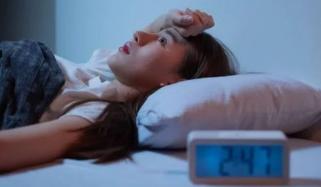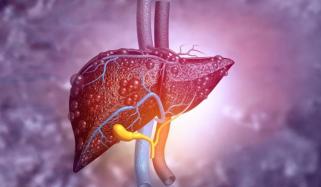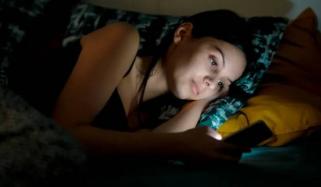
A recent study discovered that even little amounts of light during sleep may affect the heart, possibly increasing the chances of heart attacks.
This study comes amid an increasing number of reports of young adults experiencing cardiac diseases, raising health concerns.
For the research, scientists assessed over 11,000 individuals from the UK Biobank who had no known cardiovascular disease.
Participants wore wrist sensors for seven days to measure nighttime light exposure. Three years later, they underwent cardiac evaluations such as MRI scans to assess their heart structure and its function.
The study discovered that individuals exposed to over 3 lux of light while sleeping had thicker heart muscle walls, particularly in the left ventricle (LV).
Freeman stated, “We don’t want the heart muscle to get thick. We don’t want the heart muscle to get stiff. We don’t want the heart to get too big.”
“And all of these things seem to happen when exposed to excess light and potentially poor quality sleep,” Freeman added.
The thickness reduced the LV’s internal space and affected the heart muscle’s ability to flex during each heartbeat, which is said to be an early sign of cardiac dysfunction.
The effects increased as nighttime light exposure increased.
Researchers said shorter sleep duration accounted for about 24% to 49% of the observed impact. Other possible factors included changes in blood pressure, heart rate and stress.
Researcher Qi said, “Between 24% and 49% of the impact on the heart was due to a shorter sleep duration of less than five or six hours, which is the “direct consequence of night light exposure,”
Meanwhile, other factors may also contribute to nearly 51% of risk.
“Night light exposure may affect other cardiovascular disease risk factors such as stress, biological changes,” Qi added.
Experts stressed the need for further study to get more precise results.