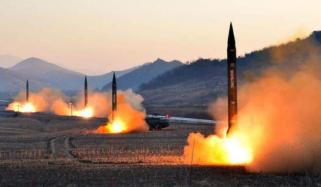
In a sudden last-minute pivot, President Donald Trump ordered the U.S. military to stand down from a planned series of airstrikes targeting Iran-backed Houthi rebels in Yemen.
Pentagon commanders had already selected target lists and personnel were actively loading munitions onto warplanes when the order to abort arrived.
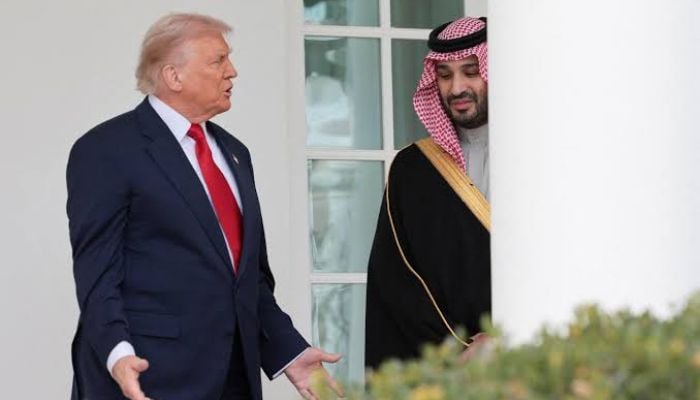
The planned operation followed direct, high-level appeals from Saudi Crown Prince Mohammed bin Salman, who urged Washington to intervene as Houthi forces escalated attacks on Saudi energy routes and advanced along Yemen’s Red Sea coast.
Avoiding a multi-front conflict
The decision to pull back highlights severe tactical hesitancy within Washington. Top White House advisers expressed deep skepticism about opening a costly new front in Yemen while American armed forces remain heavily tied down in the broader, ongoing conflict with Iran.
Officials also pointed out that previous bombing operations against the Houthis yielded limited long-term deterrence.
Because the Houthis currently adhere to an understanding not to attack U.S. naval or commercial vessels directly, military leaders warned that strikes could provoke immediate retaliation against American ships in the Bab al-Mandab Strait.
Friction in the U.S-Saudi Alliance
While Washington reiterates its commitment to defending regional partners, Trump’s refusal to launch strikes exposes growing strain in the US-Saudi defense alliance.
Riyadh continues to face escalating drone and missile strikes, alongside a Houthi-declared maritime blockade. For now, Trump confirmed he remains in “deciding mode,” leaving the door open for future policy shifts while choosing to keep American forces out of the Yemeni conflict.