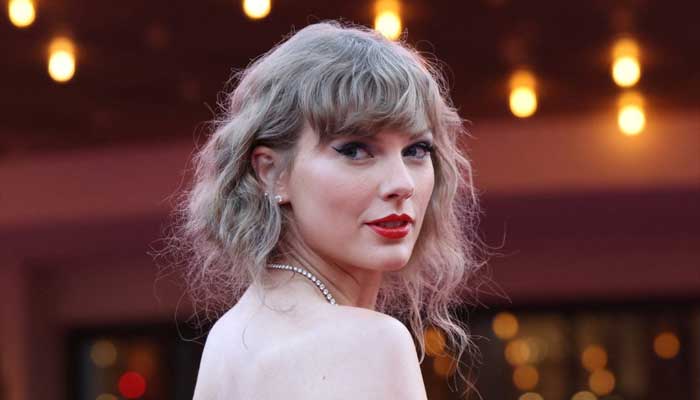
Taylor Swift and AI-powered deepfakes have now become an essential of growing conversation regarding how celebrities can protect their voices, images and digital identities.
In April 2026, the Love Story singer filed three trademark applications covering important aspects of her voice and likeness, in what legal experts called as a potential strategy against illegal use of AI, keeping everyone’s dignity at stake.
Notably, AI is not only endangering any ordinary man's image, but it has also been used to tarnish celebrities' images.
Here are some important things to know about Taylor Swift’s fight to protect her image from AI deepfakes.
1. Taylor Swift filed three trademark applications
The Blank Space star’s company, TAS Rights Management, filed nearly three applications with the US Patent and Trademark Office.
Two cover sound marks featuring the artist stating variations of “Hey, it’s Taylor Swift” and “Hey, it’s Taylor.”
The third covers a certain image of Swift performing with a pink guitar.
2. The filings came amid rising AI concerns
AI-centric technology can generate convincing photos, audio, and videos that make celebrities appear to say and do things they never did.
While citing CBS News, some experts stated such technology has simplified to create and distribute deepfakes at scale.
3. Swift’s likeness has already been misused
Previously, she has been targeted by AI-centric content, including sexually explicit deepfake photos and fabricated political imagery.
In 2024, fake AI images falsely suggested she endorsed Donald Trump.
4. Taylor's voice is the unusual part
Trademarking specific voice recordings represents a relatively new legal approach.
Traditionally, celebrities have depended on copyright and publicity rights; however, AI can create new speech that imitates a person's voice without copying an existing recording.
5. The legal strategy remains untested
The trademark filings do not automatically establish that Swift owns her voice in each context.
Legal experts mentioned that whether such registrations can effectively combat AI-generated imitations could ultimately depend on how courts interpret trademark and publicity laws.
As AI deepfakes become easier to create, Taylor Swift’s trademark strategy highlights a wider challenge for celebrities: protecting a recognizable digital identity in an increasingly AI-driven internet.