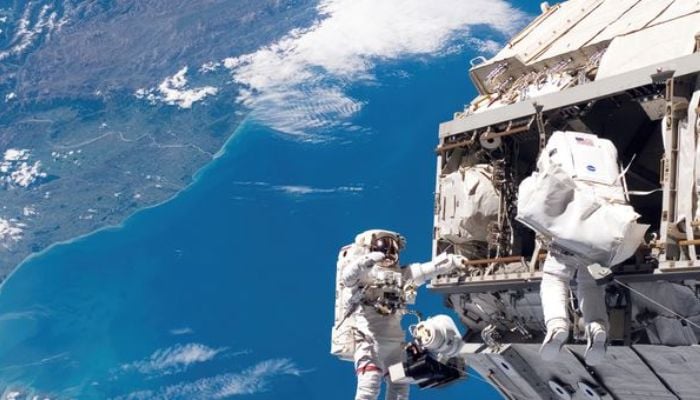
NASA inventions continue shaping daily life on Earth through ongoing technology transfer programs. The latest Spinoff reports from 2025 highlight how space research still delivers practical products used by millions.
Memory foam and comfort products
Originally developed in the 1960s at NASA’s Ames Research Center for better crash protection in aircraft seats, memory foam (temper foam) now fills mattresses, pillows, sports gear and car seats. It molds to the body and returns to shape, offering comfort and safety that millions rely on every night.
Smartphone cameras and imaging
In the 1990s, NASA’s Jet Propulsion Laboratory advanced complementary metal-oxide semiconductor (CMOS) sensors. These lightweight, low-power chips enable the high-quality cameras in nearly every modern smartphone, allowing clear photos and videos for everyday use.
Cordless tools and vacuums
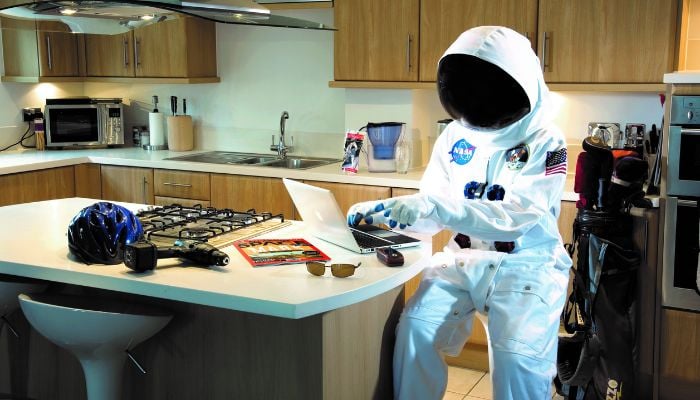
Black & Decker collaborated with NASA during the Apollo program to create battery-powered drills for the Moon. That work led to the popular Dustbuster cordless vacuum and other handheld power tools now common in homes and workshops.
Water purification systems
NASA developed filters for clean drinking water on spacecraft. Similar technology appears in home water filters and municipal systems, helping remove contaminants and improve water quality worldwide.
Other common spinoffs
Scratch-resistant coatings first made for space helmet visors protect eyeglasses. Infrared technology for measuring star temperatures became ear thermometers. Wireless communication systems for astronauts influenced modern headsets.
Recent Spinoff 2025 updates also feature new applications including 3D-printing methods for lunar habitats now used for Earth construction and advanced materials for better insulation and safety.
NASA’s ongoing work ensures space innovations keep benefiting everyday products, from bedding to cameras. These quiet contributions show how exploring space improves life at home.