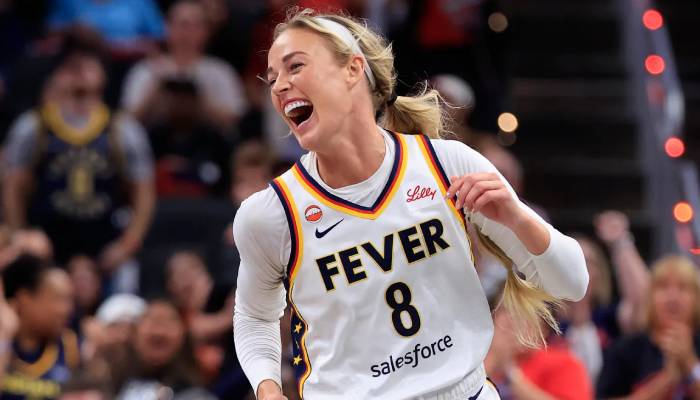
Indiana Fever star Sophie Cunningham has reignited debate over gender, women's sports and the WNBA culture after appearing at a Missouri Tigers football game wearing a hat emblazoned with the word “WOMAN.”
According to Fashion, Cunningham returned to her alma mater in Columbia, Missouri, on Saturday, 3 October, to watch Missouri defeat the No. 8 Florida Gators 45-17.
The former Missouri basketball standout attracted attention both for her homecoming appearance and for the message displayed on her hat.
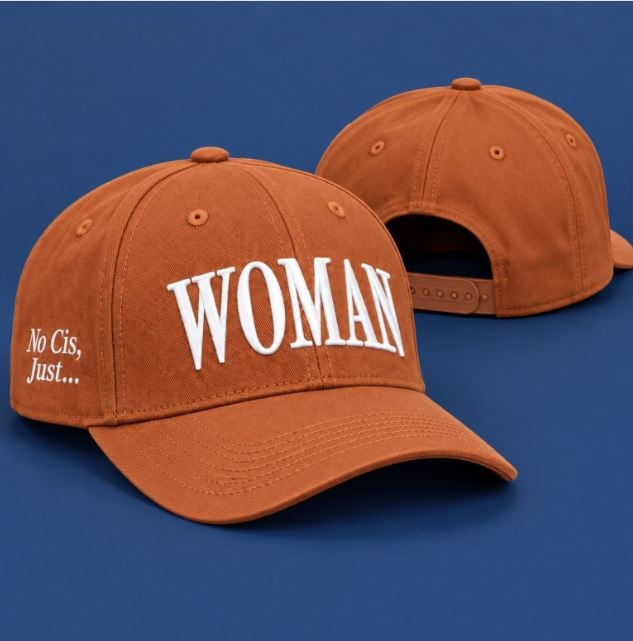
The controversial hat
The hat featured "WOMAN" prominently on the front, while the side carried the phrase “No Cis, Just ..."
OutKick subsequently framed the outfit as a message aimed at WNBA players who have criticised or opposed Cunningham's views on transgender participation in women's sport.
The appearance came days after Cunningham's Indiana Fever were eliminated from the WNBA playoffs by the Las Vegas Aces, following a heated Game 2 incident involving Aces star A'ja Wilson and a fan.
During that game, Wilson confronted a male spectator who had pointed towards her following a foul involving Cunningham.
Wilson received a technical foul after leaving the court to confront the fan, while the spectator and a woman accompanying him were briefly removed before being allowed to return, according to reports.
The WNBA later took no disciplinary action against Wilson.
Cunningham subsequently addressed the incident on her No Hesitation podcast, arguing that professional athletes who want passionate sports fans must accept that supporters will sometimes criticise players during games.
Sophie Cunningham advocating for women’s sport
Cunningham’s wider views on transgender athletes have also made her a prominent figure in the cultural debate surrounding women's sport.
In an ESPN interview earlier this year, she said she had received criticism for allegedly “hating tran” people, while maintaining that her position was about protecting women and girls in sports and locker rooms.
Her position has attracted both support and criticism. The controversy has extended beyond basketball, making Cunningham increasingly recognisable as a figure in the wider discussion over sex, gender and women's athletics.