The fallout from Manchester City’s financial misconduct ruling has extended far beyond English football, creating significant friction within United Kingdom political circles.
Following an extensive independent investigation into the club’s historical reporting, the Premier League confirmed guilty findings on a vast majority of financial fair play charges spanning nearly a decade.
While football authorities debate prospective sporting penalties, the political ramifications are rapidly mounting in Westminster and local government sector bodies.
Political leaders face fierce scrutiny
Attention has quickly shifted toward the close relationships between government figures and foreign investment groups connected to the club’s ownership.
Critics and opposition politicians are raising sharp questions about official lobbying, local public asset transactions and historic municipal partnerships linked to Manchester City’s parent entity.
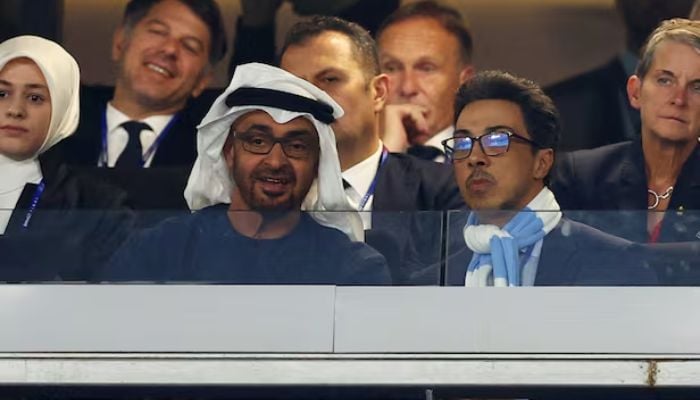
Senior figures including political leadership tied to regional economic development strategies face growing calls to publish complete records of past meetings, institutional communications and hospitality gifts received from club representatives over the past decade.
Diplomatic and regulatory stakes rise
The controversy has also reignited delicate debate regarding foreign state investment in British infrastructure, real estate and sports franchises.
Because the United Kingdom maintains billions of pounds in strategic trade partnerships with the United Arab Emirates, ministers are attempting to navigate strict sports regulatory enforcement without endangering key international economic relationships.
Campaigners and lawmakers are capitalizing on the moment to push for urgent legislation establishing a fully independent football regulator, arguing that self-regulation by sports leagues has consistently failed to prevent systemic financial governance issues.