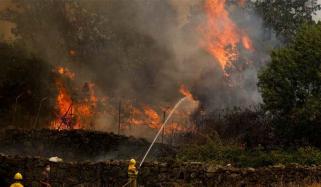
The United States and Iran have exchanged a range of fresh strikes across the Middle East for the second consecutive day, violating a ceasefire agreed in April.
The US Central Command (CENTCOM) stated it launched a wave of retaliatory strikes targeting military, surveillance and radar facilities in southern Iran.
The attacks followed President Donald Trump’s warning that Iran would have to pay the price of delaying peace talks to strike a deal.
Iran condemned the strikes, calling them violations of the ceasefire and stating they had generated diplomatic efforts “practically meaningless.”
Tehran responded by striking attacks against US-linked military targets in Jordan, Kuwait, and Bahrain.
Iran’s Islamic Revolutionary Guard Corps (IRGC) claimed it fired ballistic missiles at a US base Jordan, while Jordanian authorities stated their air defences intercepted upcoming missiles without casualties.
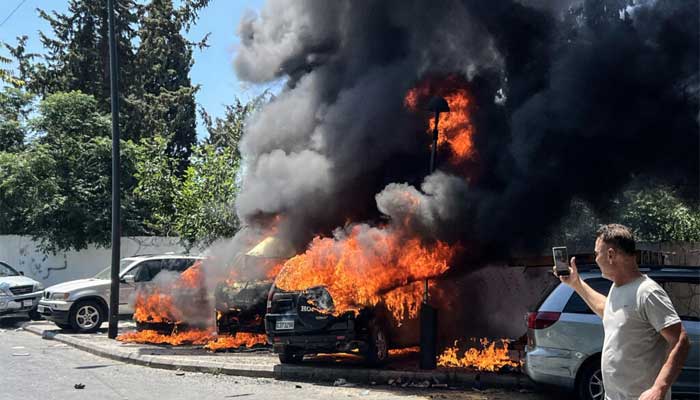
Several reports suggested that Kuwait and Bahrain intercepted aerial threats, with minor damage and injuries reported in Bahrain.
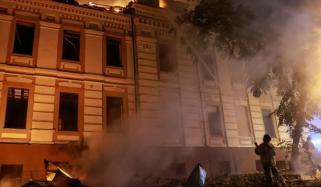
Meanwhile, explosions were reported in Bandar Abbas, Tehran and other areas near the Strait of Hormuz.
Moreover, Iran has imposed restrictions on maritime traffic through the Hormuz, significantly increasing concerns over global energy supplies and pushing oil prices more.
The renewed intense conflict comes after the recent downing of a US helicopter and stalled talks between Tehran and Washington.
Despite the ongoing military conflict, both sides have suggested that diplomatic channels remain open, while international leaders urge restraint to prevent a broader regional conflict.