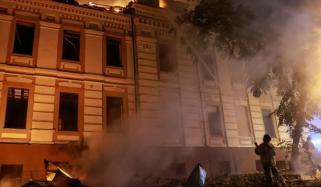
The United States and Iran have paused military strikes for a third consecutive night as mediator nations attempt to reopen diplomatic channels. The temporary halt follows nearly two weeks of intense bombardment triggered by the breakdown of a prior ceasefire.
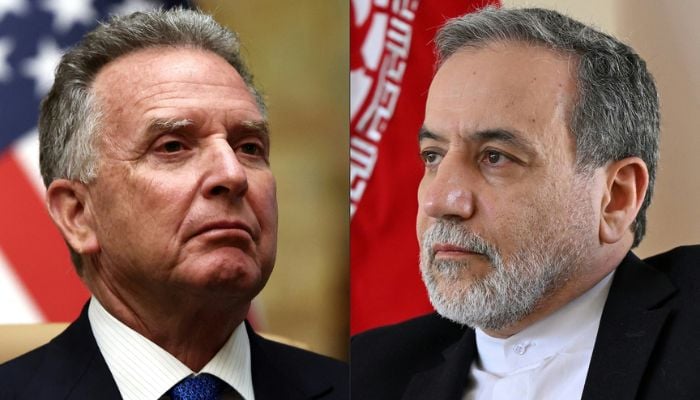
Explaining the decision, U.S. Ambassador to the United Nations Mike Waltz stated that President Donald Trump is “giving diplomacy some space” and “giving it a little bit of room.”
Indirect negotiations via Oman
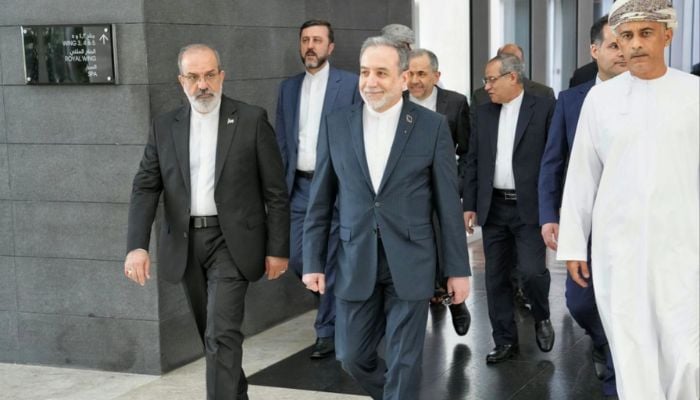
While Tehran denied holding direct discussions with Washington, Iranian officials confirmed indirect talks through Oman to resolve shipping disputes in the Strait of Hormuz. Iranian Foreign Ministry spokesman Esmael Bagaei said, “The discussions we have had over the past few days have been exclusively with Oman.”
Iranian army spokesperson Mohammad Akraminia noted that because Tehran’s operations were “essentially retaliatory,” Iranian forces stopped firing once U.S. attacks ceased.
Military readiness remains high
Despite the temporary calm on the ground, both nations remain on high alert. Ambassador Waltz emphasized that American forces remain “locked and loaded” and confirmed that “additional military assets are moving into the region.”
He also pushed back against reports of munitions shortages, calling claims of depleted stockpiles “nonsense that we won’t have the assets that we need.”
Global markets react
The pause in fighting has brought immediate relief to energy markets. Crude oil prices dropped below $90 per barrel on Monday morning after surging past $100 last week.
While the break offers a window for de-escalation, major security issues remain unresolved as regional mediators continue working to secure a lasting agreement.