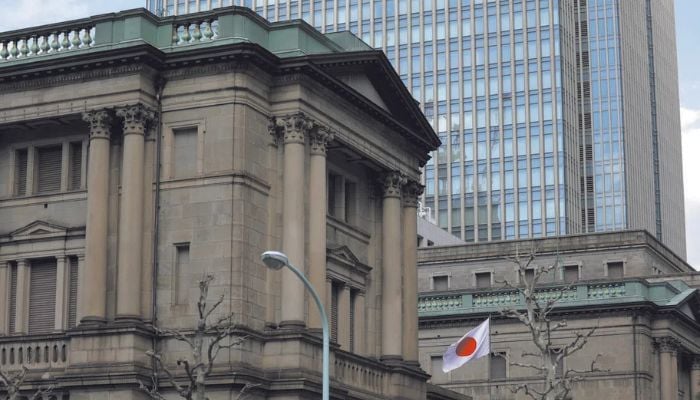
The Bank of Japan (BOJ) has raised its benchmark rate to 1.0 percent, up from 0.75 percent, marking its highest level in 31 years.
The decision made by a 7-1 vote during a two-day meeting ending June 16, 2026, is the first rate hike since last December.
The central bank moved to normalize its monetary policy to combat inflation caused by global energy shocks particularly those stemming from the ongoing conflict in the Middle East.
The bank expressed concern that businesses are passing rising oil costs to one another at a “relatively fast pace” which threatens to increase consumer prices across many items.
In its official statement, the bank explained the urgency of the move:
“Taking into account that medium and long-term inflation expectations have also continued to increase, there is a risk of underlying inflation deviating above our price target.”
BOJ Governor Kazuo Ueda did not attend the meeting as he is currently hospitalized for an infected liver cyst. Despite his absence, the board committed to further policy adjustments.
The move reflects a broader effort to stabilize the economy as Japan navigates the challenges of a weak yen and rising wholesale costs.