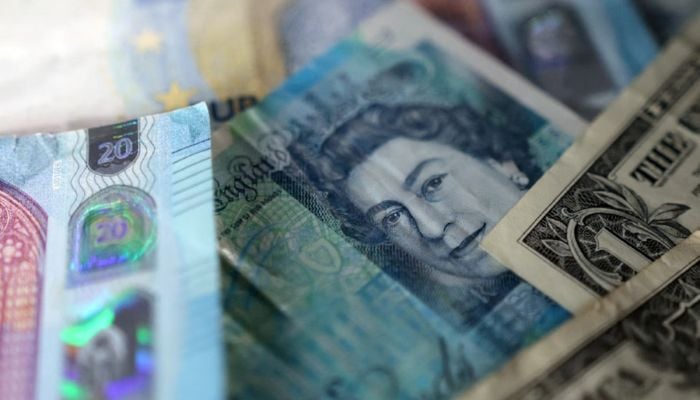
UK inflation unexpectedly remained at 2.8% in May, defying economists’ predictions that it would climb to 3%.
Official figures from the Office for National Statistics (ONS) show that while transport costs -such as fuel and airfares – pushed prices upward, these were effectively cancelled out by a slowdown in food price increase which hit their lowest rate since December 2024.
Following the news, the British Pound saw a dip as markets digested the data.
While the current 2.8% rate sits above the government’s 2% target, it is not expected to trigger an immediate reaction from the Bank of England.

Policymakers who meet this Thursday are widely predicted to keep interest rates on hold at 3.75% to further assess the economic impact of the Iran conflict.
Despite this stability, experts warn that challenges persist.
Anna Leach, Chief Economist at the Institute of Directors, noted that “rising energy, tax and employment costs affecting businesses need addressing if broader inflationary pressures are to be minimized.”
Similarly, the British Chambers of Commerce cautioned that “businesses are unlikely to increase investment while so much uncertainty remains” as forecasts suggest inflation could rise toward 4% by the end of the year if global energy supply issues continue.