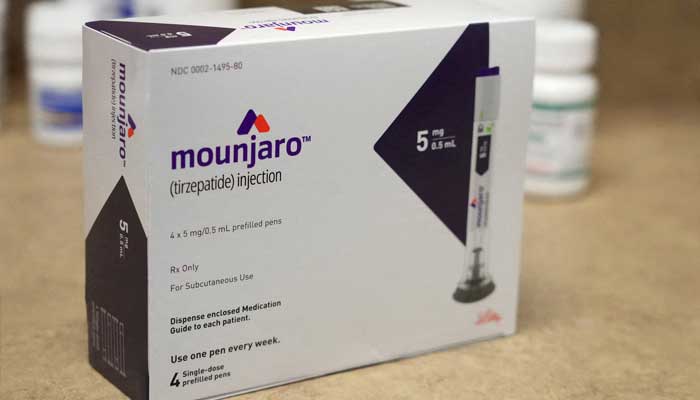
The US Food and Drug Administration (FDA) has officially approved Eli Lilly’s diabetes drug Mounjaro to minimise the risk of cardiac arrests and stroke in adults who are suffering from type 2 diabetes, as they are already at a significantly higher risk of cardiac events.
Mounjaro, whose active ingredient is tirzepatide, targets the GLP-1 protein and is used to manage type 2 diabetes. In the United States, tirzepatide is also marketed as Zepbound for weight management.
Mounjaro shows cardiovascular benefits
The FDA decision was supported by results from a large head-to-head clinical trial comparing Mounjaro with Trulicity, Lilly’s older diabetes treatment.
Research discovered that Mounjaro minimised the risk of significant adverse cardiovascular events by 8% more than Trulicity, including results like strokes and heart attacks.
The approval expands Mounjaro’s role beyond blood-sugar management and could solidify its position in a highly competitive GLP-1 drug market.
Strong sales for Eli Lilly
Demand for Mounjaro has seen rapid growth. Lilly reported that sales of the drug rose from 91% to $9.94 billion in the second quarter, driven by higher sales volumes across international markets.
Eli Lilly is competing closely with Danish pharmaceutical giant Novo Nordisk that also diversified the cardiac advantages approved for GLP-1 medicines.
Novo got FDA approval for Wegovy in 2024 to minimise cardiac risk in overweight or obesity without diabetes.
Its diabetes drug Rybelsus captured a similar approval in 2025 for diabetic patients.
Both the Novo Nordisk and Eli Lilly are continuing to study GLP-1 drugs for extra conditions such as cardiovascular and liver diseases.