In a major mental health breakthrough, Australian researchers from the University of Sydney have identified a distinct new subtype of mental illness termed “circadian depression.”
Published in the “British Journal of Psychiatry,” the study analyzed clinical and genetic data from over 10,000 participants, revealing that biological clock disruptions account for nearly a quarter of severe, persistent depression cases.
Recognizing the symptoms
Patients diagnosed with circadian depression often display a clear pattern of symptoms. Key markers include extreme fatigue upon waking, sleeping significantly longer during depressive episodes, seasonal symptoms changes, and a strong natural tendency to be a “night owl.”
Scientists emphasize that depression is not a one-size-fits-all condition, making targeted identification crucial.
Why standard antidepressants fail
Crucially, the study explains why standard treatments frequently miss the mark. People with circadian depression show lower responsiveness to traditional serotonin-based antidepressants like SSRIs.
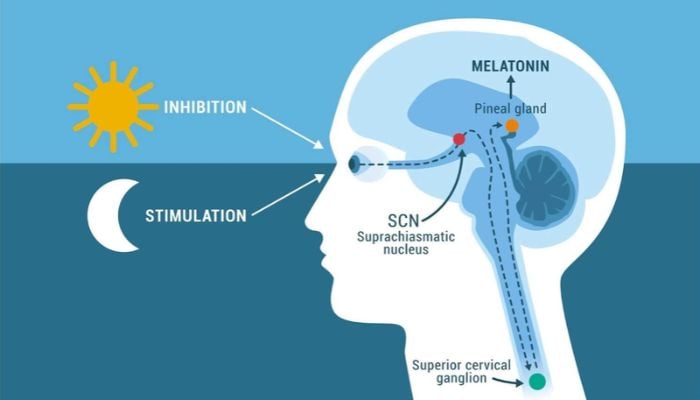
Because the condition stems from dysregulation in the body’s 24-hour sleep-wake pathways rather than serotonin alone, standard medications often fail to provide lasting relief.
Novel pathways to recovery
This landmark finding opens the door to targeted, alternative therapies. Instead of relying strictly on traditional drugs, treatment plans can focus on resetting the internal biological clock.
Promising interventions include light therapy, smart-watch tracking of daily sleep routines, melatonin-targeted medications, and structured behavioral schedules designed to sync natural circadian rhythms with daytime sunlight exposure.