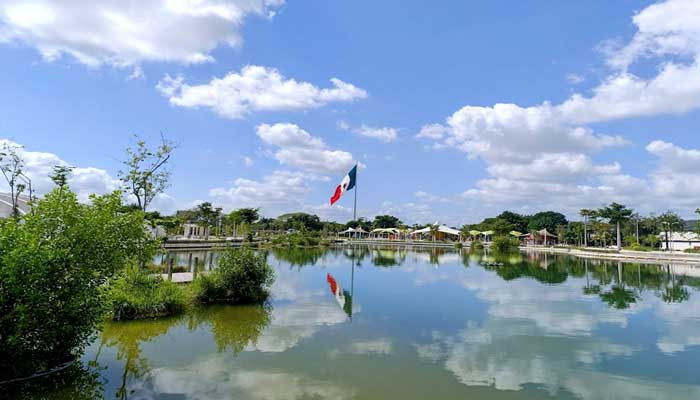
Authorities in Mexico’s Yucatán state have closed six artificial lakes after the death of a 34-year-old man from a rare infection caused by the brain-eating amoeba Naegleria fowleri.
As per German Press Agency, the man passed away in September following the development of a brain infection.
He had worked as a water-ski instructor at an artificial lake where the pathogen was identified.
Yucatán Health Minister Alberto Alcocer stated testing identified single-celled organisms belonging to the genus Naegleria in six of nine bodies of water examined in the city of Mérida.
The genus includes Naegleria fowleri, a parasite linked to a rare but usually fatal brain infection.
The six affected lakes are used for recreational activities. Authorities have launched closures as a precautionary measure to minimise the risk of further infections.
However, the restrictions apply specifically to artificial lakes in Mérida. Officials have yet to announce a general closure of natural swimming areas across Yucatán, a popular tourist destination in southeastern Mexico known for its Mayan archaeological sites and freshwater pools called cenotes.
Naegleria fowleri is commonly discovered in warm freshwater environments, especially in tropical and subtropical regions.
The organism can enter the human body through the nose when contaminated water enters the nasal passages, possibly reaching the brain.
Once inside the brain, it can cause primary amoebic meningoencephalitis, a severe infection that can lead to brain inflammation, coma and death.
Although infections are very rare, they are almost always fatal, making prevention and awareness crucial, especially in warm freshwater environments.
The closures underscore the risks linked to recreational water activities when dangerous microorganisms are present.
It’s worth mentioning officials have not reported additional cases linked to the affected lakes.