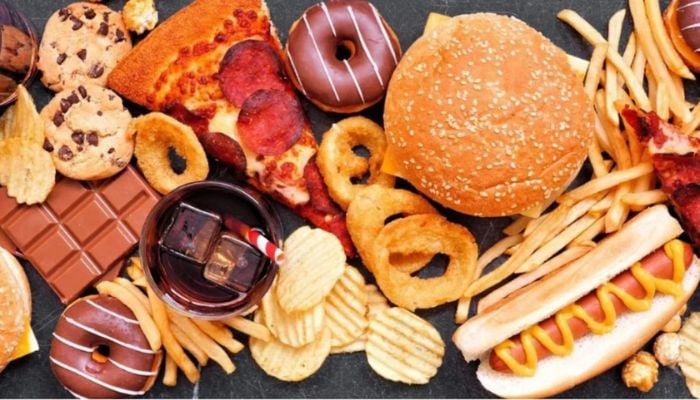
A major analysis of national diet data has confirmed that ultra-processed foods still form the backbone of what most American adults eat.
According to the latest Centers for Disease Control and Prevention report using National Health and Nutrition Examination Survey data from August 2021 to August 2023, adults aged 19 and older got an average of 53% of their daily calories from these foods.
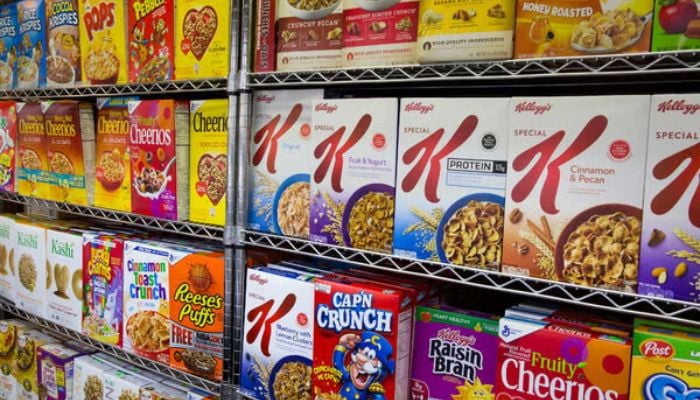
Ultra-processed foods include items made mostly from industrial ingredients rarely used in home kitchens such as high-fructose corn syrup, hydrogenated oils, flavor enhancers and emulsifiers.
Common examples are packaged snacks, sweetened drinks, ready-to-eat meals, burgers, pizza, cookies and savory chips.
Slight drop but still high levels
The 53% figure marks a modest decline from earlier years – 55.8% in 2013-2014 and about 56% in 2017-2018. Yet more than half of adult calories still come from these products.
Younger adults (ages 19-39) consumed slightly more (54.4%) than those 60 and older (51.7%). People with higher incomes tended to eat a smaller share.
Top sources of calories
Sandwiches and burgers led the list, contributing about 8.6% of total calories. Sweet bakery products, sweetened beverages, savory snacks, and breads, rolls, and tortillas rounded out the top sources.
Why the findings matter
Experts note that diets high in ultra-processed foods are often linked to higher risks of obesity, type 2 diabetes, heart disease, and other chronic conditions.
While the slight downward trend is encouraging, researchers say the numbers remain high enough to raise public health concerns. Many point out that these foods are convenient, affordable, and heavily marketed, making them hard to avoid for many families.
The findings come as scientists continue studying how food processing itself – beyond just calories, sugar, and fat, may affect metabolism and long-term health.
For now, the clear message from the data is that ultra-processed products still dominate the average American adult’s plate.