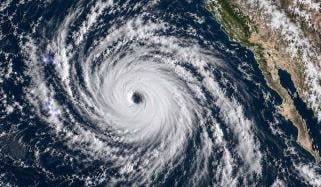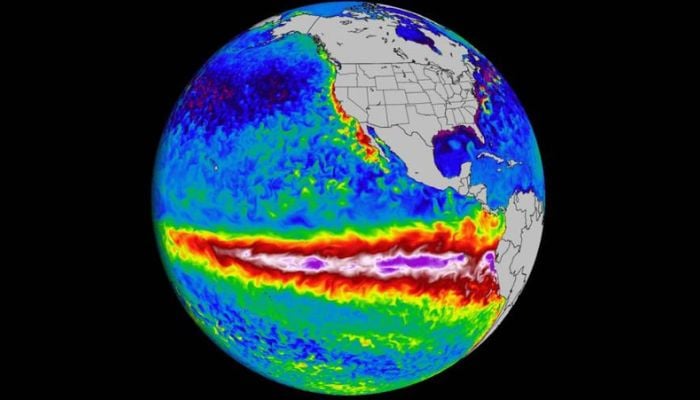
A devastating “super” El Nino event could lead to over 450,000 heat-related deaths worldwide by February, according to a landmark study by researchers at the Climate Impact Lab.
An unprecedented rise in global temps
The climate pattern, which began in mid-2026, is on track to become the strongest on record. Scientists project that land temperatures will sit 1.2°C above average causing a massive 44% spike in extremely hot days. The crisis is compounding the baseline warming caused by global climate change.
Global South faces worst toll
The projected mortality is overwhelmingly concentrated in lower-income regions across the Global South, where populations face intense seasonal heat alongside limited access to adaptation resources like air conditioning.

The Sahel region in Africa is forecasted to suffer the highest toll, with 66,800 excess deaths – nearly half occurring in Nigeria alone. Southeast Asian nations, alongside India and Brazil, are projected to see tens of thousands of casualties as summer hits the Southern Hemisphere.
Urgent call for preventive action
Beyond heat stress, experts warn of secondary disasters like extreme droughts, wildfires, and flash floods. However, researchers emphasize that this projection acts as a crucial early-warning map.
Governments can save thousands of lives right now by launching targeted intervention strategies, including community cooling centers, early warning systems and mandatory workplace heat breaks for outdoor labor.
Without immediate adaptation, experts fear these extreme conditions will become the world’s new baseline weather pattern within two decades.