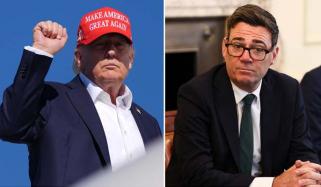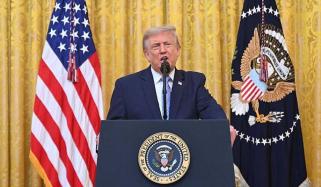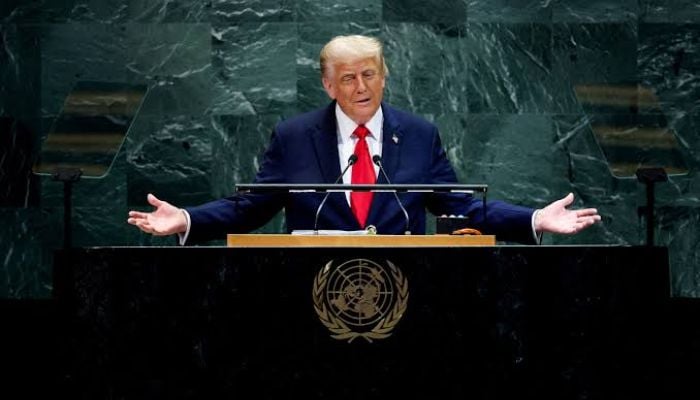
US President Donald Trump addressed the 81st session of the United Nations General Assembly in New York today, speaking before an assembly of world leaders against a backdrop of intensifying international security concerns and economic instability.
Addressing regional conflicts and security challenges
During his key address, the president outlined the administration’s current approach to global friction points, highlighting efforts to manage ongoing regional hostilities and negotiate stability in high-risk zones.
He emphasized the importance of national sovereignty while pressing international partners to increase their contributions toward global security and defense budgets.
The speech targeted key security dilemmas including delicate dynamic negotiations in Europe and the Middle East, alongside broader strategic competition across major world powers.
High-stakes bilateral diplomacy on the sidelines
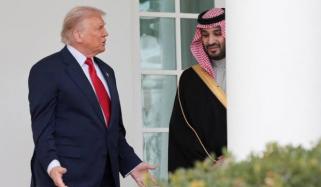
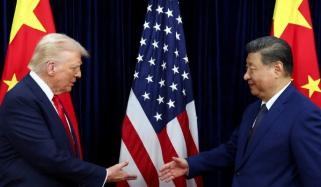
Beyond the general debate floor, the annual gathering serves as a critical backdrop for direct bilateral negotiations. US diplomats and senior cabinet officials scheduled key side meetings with allied leaders, regional partners and economic representatives to navigate pressing trade relations, energy supply security and maritime stability.
Central to these discussions were ongoing disputes surrounding international tariffs, supply chain dependencies and global sanctions enforcement mechanisms aimed at restricting trade with hostile entities.
Differing visions for international governance
The address sparked varied reactions across the assembly chamber, reflecting long-standing philosophical divides between multilateral governance and national interest policy models.
While traditional global institutions advocate for collective action to resolve transnational crises, the current administration’s message reiterated a firm demand for practical outcomes over standard international declarations. Delegations plan to continue bilateral talks throughout the high-level week to manage shared global risks.