Australian actor Chris Hemsworth captured a significant attraction after revealing that he has a genetic predisposition to Alzheimer’s disease, raising public awareness about the role genetics can play in brain health.
However, his findings do not mean he will necessarily develop the condition.
Here are several things to know about Hemsworth’s Alzheimer’s risk:
1. Chris Hemsworth discovered his genetic risk
The 43-year-old learned about his genetic predisposition while filming the National Geographic documentary series Limitless in 2022.
Genetic testing discovered that he carries two copies of the APOE4 gene variant, one inherited from each parent.
2. APOE4 is associated with Alzheimer’s disease
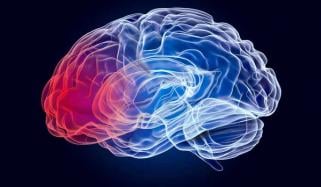
The APOE gene assists in regulating cholesterol and other fats in the body. Its APOE4 version is linked to a raised risk of developing Alzheimer’s disease, the most common form of dementia.
People who inherit two copies experience a significantly increased risk as compared to the ones with one copy.
However, genetics alone cannot determine whether someone will develop the disease.
3. His diagnosis was not Alzheimer’s disease
Hemsworth’s genetic results were broadly discussed after the documentary; however, a raised genetic risk is not the same as a clinical diagnosis.
The actor has yet to publicly announce that he has Alzheimer’s disorder. His experience underscores the difference between detecting a risk factor and confirming an illness.
4. The revelation changed his perspective on life
Following the discovery, Hemsworth opened up about reevaluating his priorities and spending more time with his family. The Thor star shares three children with his wife, Elsa Pataky.
His experience prompted conversations regarding balancing demanding careers with family life with personal well-being.
5. Lifestyle and research remain important
Although APOE4 cannot currently be removed, study found that physical activity, a balanced diet, adequate sleep and managing cardiovascular risk factors may support long-term brain health.
These habits cannot guarantee prevention, especially for people with genetic risk; however, they are essential components of healthy ageing.