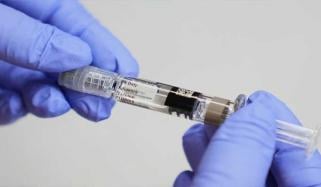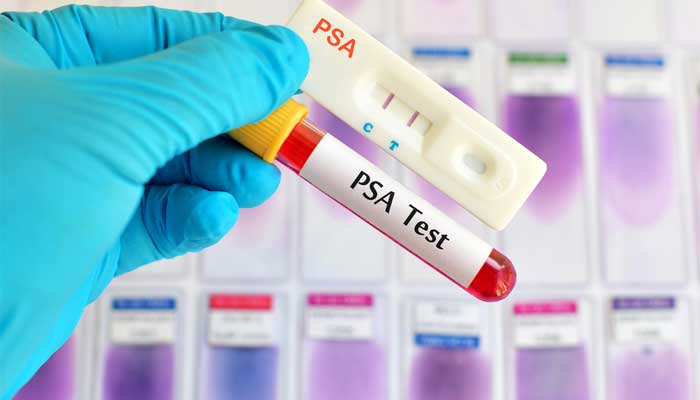
Men aged 50 and over in the UK will not be automatically entitled to a blood test that assists in the prior detection of prostate cancer, under new guidance that leaves the decision to GPs.
The change ends a long-standing policy that allowed men over 50 to request a prostate-specific antigen (PSA) test through their family doctor without having symptoms.
This move has sparked criticism, with some calling it a “backward step” and issued a warning that it could lead to more cancer diagnosis at an advanced stage.

Former Prime Minister David Cameron, who discovered his own prostate cancer through a PSA test, said the decision showed the need for a targeted screening programme for men at higher risk.
Notably, Prostate Cancer Research also criticized the move, raising questions as to why men continue to face greater barriers in getting themselves tested for prostate cancer.
Under the new guidance, men concerned about prostate cancer can still ask their GP for a PSA test. However, doctors will assess their individual risk and decide whether testing is appropriate.
The Department of Health and Social Care said the previous guidance had been retired because it was considered ambiguous. Officials stressed that men still have the right to ask their GP for a PSA test, while the final decision rests with the doctor.
Prostate cancer is the UK's most common cancer among men, with around 63,000 diagnoses and 12,000 deaths each year.
The government plans to introduce targeted testing from 2027 for men aged 45 to 61 with a specific BRCA2 genetic variant and relevant family history. A separate research trial will also provide testing to Black men aged 45 to 74.
The new policy does not affect men with possible prostate cancer symptoms, who should continue to be referred for testing.