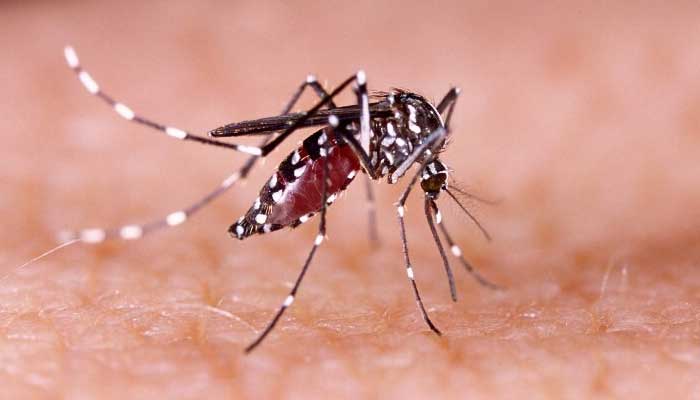
An invasive mosquito species, which is able to transmit dengue and Zika viruses, has been discovered breeding in the UK for the first time, prompting increased surveillance by health authorities.
The Aedes aegypti mosquito and its larvae were found at residential properties in east London through the UK Health Security Agency’s Mosquito Watch scheme.
Officials launched some control measures to eradicate the larvae and prevent further spread.
Although the species has been identified in the UK three times in recent years, this is the first confirmed discovery of it actually breeding in the country.
Public health risk remains reduced
As per the UKHSA, the current risk to the public remains reduced, mentioning that the UK’s overall climate is too cold for Aedes aegypti mosquitoes to establish themselves permanently.
The species is commonly found in tropical and subtropical regions and can “hitchhike” into new areas by traveling in vehicles, luggage and imported plants.
Aedes aegypti is known to transmit multiple viruses, including dengue, Zika and chikungunya.
Dr Jolyon Medlock, head of medical entomology and zoonoses ecology at the UKHSA, said "There is no evidence that these mosquitoes have caused human infections [in the UK] and, importantly, to date, there is no evidence of the mosquitoes or larvae being detected in nearby public areas.
"We believe these mosquitoes are accidental importations," he added.
Climate change raises concerns
Experts warned that warmer temperatures could make it simpler for invasive mosquito species to survive for longer periods in the UK.
Heather Ferguson, professor of infectious disease ecology at the University of Glasgow, described the discovery as major and stated preventing the species from becoming established is important for protecting public health.
The UKHSA has advised residents to remove standing water from gardens, including water collected in buckets, containers and plant pots, where mosquitoes can breed.
Additionally, officials have monitored other invasive species, including the tiger mosquito, as climate conditions continue to change.