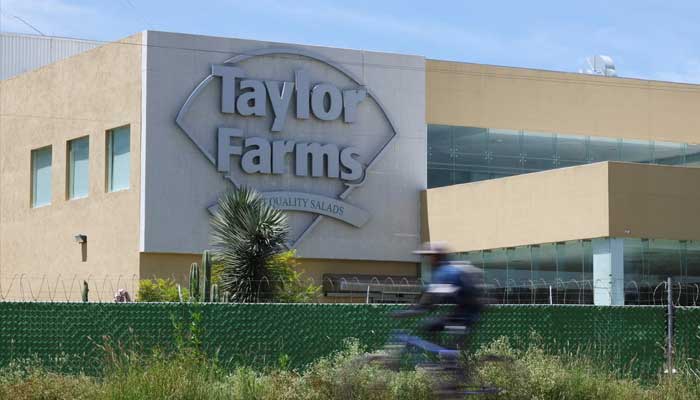
Federal regulators have started inspecting a Taylor Farms processing facility in Guanajuato, Mexico, as they probe a multistate outbreak of cyclosporiasis associated with contaminated iceberg lettuce.
The Food and Drug Administration stated on August 13 that inspectors were gathering samples at Taylor Farms de Mexico.
The significant move comes nearly a month after Taylor Farms removed iceberg lettuce sourced from Central Mexico from the market after health officials associated it with a lettuce supplier to an ongoing outbreak.
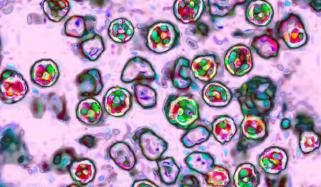
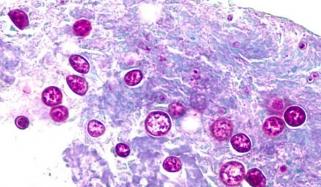
Cyclosporiasis is a parasitic infection caused by Cyclospora cayetanensis that causes watery diarrhea, stomach ache, nausea, and fatigue.
Since May 2026, the outbreak has seen a significant growth, with thousands of infections reported across the US.
As per the latest CDC data, 13,895 laboratory-confirmed cases had been reported across 47 states as of August 10.
Nearly two people have reportedly lost their lives since the beginning of the outbreak.
FDA officials are examining how the contamination may have occurred. Agricultural water is among the potential sources of Cyclospora contamination, as per the agency.
Taylor Farms has suspended processing and distribution of the affected iceberg lettuce and brought in outside inspectors at its Mexican facility.
Additionally, the company has been involved in recalls of products containing jalapeños connected to a separate Salmonella outbreak.
Is lettuce safe to eat?
The FDA has expressed confidence that all the contaminated lettuce has been removed from the market. Michigan health officials have also said residents can return to routine guidance for eating lettuce and salad greens.
However, experts urge caution because investigators have yet to identify the source of every reported Cyclospora infection. Older adults and children may face a greater risk of serious illness.