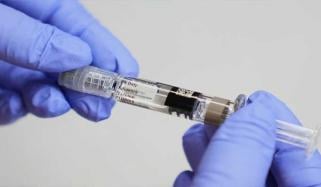
An experimental personalized mRNA cancer vaccine has successfully prevented melanoma from returning in a large Phase 3 clinical trial, possibly bringing the first mRNA-based cancer treatment closer to regulatory approval.
Developed by Moderna and Merck, the treatment, which is called intismeran autogene, utilises messenger RNA technology to produce a vaccine tailored to each patient's tumor.
The companies announced that the treatment, when combined with the approved immunotherapy Keytruda, met the trial's main goal of enhancing recurrence-free survival.
Full trial results have not yet been independently reviewed and are expected to be presented at an upcoming medical meeting.
For the phase 3 study, researchers included 1,137 patients who had already undergone surgery for the removal of melanoma tumors.
As per the drug manufacturers, the combination assisted in preventing cancer recurrence and metastasis in contrast to the Keytruda alone.
The treatment works by sequencing a patient’s tumour and comparing it with healthy cells to detect mutations unique to the cancer.
An algorithm then selects nearly 34 abnormal proteins that may trigger an immune response.
Those instructions are encoded into a customized mRNA vaccine designed specifically for the individual patient.
Keytruda works alongside the vaccine by helping remove a mechanism cancer cells use to suppress the immune system, letting immune cells to attack the tumor more effectively.
CEO of the Parker Institute for Cancer Immunotherapy told to The Washington Post, “This is representative of the next frontier of cancer immunotherapy.”
The companies say the treatment's safety profile remains consistent with previous studies, with fatigue, injection-site pain and chills among the reported side effects.
If approved by the FDA, intismeran could become the first mRNA-based cancer treatment, marking a major milestone for personalized cancer immunotherapy. Moderna is expected to pursue regulatory approval as quickly as possible.
Moderna stock
Following this major announcement, Moderna stock has skyrocketed to 57.27% before Wednesday’s open, pushing the shares to $99.02 from Tuesday’s $62.96 close.