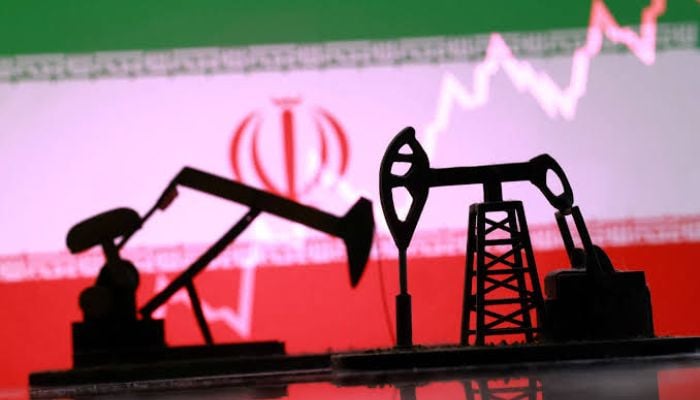
Crude oil prices fell sharply by over 3% on Tuesday as global energy markets reacted to Washington’s strategy change. Brent crude dropped to $89.20 per barrel, while West Texas Intermediate slid to $82.21.
Investors grew relieved as the United States chose broad financial sanctions over immediate military strikes to confront Tehran.
Washington’s financial strategy
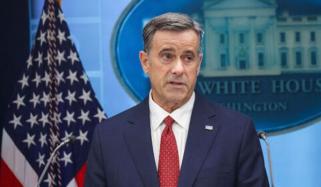
The White House launched a massive pressure campaign aimed at isolating Tehran from global markets. Treasury Secretary Scott Bessent labeled the effort “the single greatest financial offensive ever” and described it as an “economic D-Day.”
Meanwhile, Defense Secretary Pete Hegseth signaled that military options remain available, stating: “If we need to use kinetic strikes, we’ll use them. If Iran is foolish enough to overplay their hand or mess with the American military, we’ll do what we need to do.”
China pushes back
A major point of contention involves Beijing which purchases roughly 90% of Iranian crude exports. The Chinese government quickly rejected the threat of secondary American sanctions.
Chinese Foreign Ministry Spokesperson Lin Jian warned that Beijing would “do everything necessary to firmly safeguard its rights and interests.”
Iran claims preparedness
Tehran expressed strong confidence in its ability to counter Washington’s trade restrictions.
Appearing on state television, Iranian Economy Minister Ali Madanizadeh reassured citizens by declaring that “the government is and was ready and has a two-year plan to manage these events. We have our own tools and we know how to play the game.”