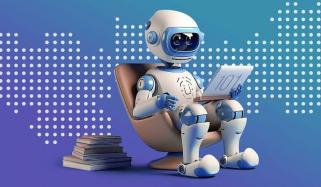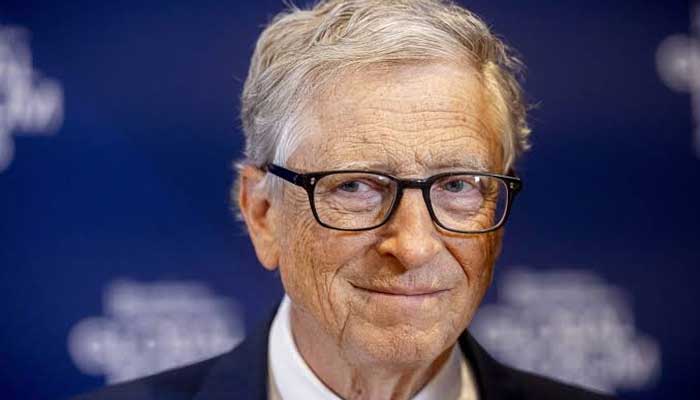
Microsoft co-founder Bill Gates has proposed a “robot tax” and the creation of “Human Reserved” jobs as governments grapple with the increasing impact of artificial intelligence on employment.
In a lengthy essay published on his Gates Notes website, Gates explored how AI could reshape society, underscoring its potential to speed up progress in science and healthcare while warning that automation could leave millions of workers vulnerable.
Bill Gates views on AI
Gates argued that the current tax system can encourage businesses to replace humans with machines. Employers typically pay payroll taxes when hiring workers, while robots and AI systems can often be treated as business expenses.
He suggested imposing a tax on robots to slow the shift away from human labour while generating revenue that could fund worker retraining and stronger social safety nets.
His second proposal is the creation of “Human Reserved” jobs — roles or tasks where AI and robots would be restricted or prohibited.
Gates stated several occupations could be protected because replacing workers would cause economic turmoil, particularly for older employees who may struggle to transition into entirely new careers.
Moreover, he suggested that some jobs should remain human-led for emotional or ethical reasons. As an example, Gates argued that while a machine could tell a patient they have an incurable disease like sensitive conversations that needs to be handled by humans only.
The ideas come as governments and tech firms argue over the rapid adoption of technology and how workers can be protected from displacement.
However, major questions remain over who would impose a robot tax, which jobs would qualify as “Human Reserved” and how such rules could be enforced.
Gates addressed that these boundaries would likely evolve as AI technology continues to advance.