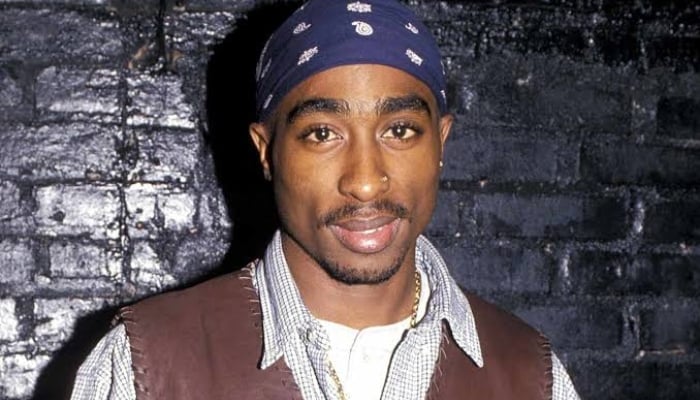
Almost three decades after Tupac Shakur's tragic death, a jury has found Duane "Keffe D" Davis guilty of orchestrating the 1996 killing of the rap icon.
Keffe D to face life sentence
On Monday, August 30, the 63-year-old Davis was convicted of a single count of murder with a deadly weapon and could be sentenced to life in prison.
According to Chief Deputy District Attorney Binu Palal, Davis acquired a gun and "went hunting" for Tupac and Death Row Records co-founder Marion "Suge" Knight after the men had beaten up Davis' nephew earlier that night.
What Happened in 1996?
Tupac Shakur had been in Las Vegas with Knight on September 7, 1996, to watch Mike Tyson fight Bruce Seldon at the MGM Grand.
After the fight, Tupac and members of his entourage had a fight with Orlando "Baby Lane" Anderson, Davis' nephew and a member of the rival South Side Compton Crips.
Later that night, Tupac was riding in a black BMW driven by Knight as the pair headed towards an after-party.
While they were stopped at a red light near the Las Vegas Strip, a white Cadillac pulled alongside them and someone inside opened fire.
Tupac was struck four times. He was rushed to hospital, where he remained for six days before dying from his injuries on September 13, 1996.
Duane Davis 'confession'
The Tupac Shakur's case remained unsolved for years, and in his 2019 book, Compton Street Legend, Davis placed himself inside the Cadillac used in the shooting and described the events leading up to Tupac's death.
He claimed the earlier attack on his nephew provided the motivation for retaliation and wrote, "Pac chose the wrong game to play."
Davis also claimed that he brought a .40-caliber Glock with him that night.
His defense attorney, Michael Sanft, argued that Davis' accounts had been exaggerated and embellished in an attempt to profit from the enduring fascination surrounding Tupac's death.
However, prosecutors argued that the consistency and detail of his statements helped establish his role in the crime.