In a breakthrough development, artificial intelligence is taking a significant step toward autonomous healthcare after breast-screening company Vara received CE certification, enabling its A system to easily classify several mammograms as normal without even consulting a radiologist.
While the significant move marks a major step forward in the adoption of cutting-edge AI technology, it also raises concerns among healthcare professionals, particularly radiologists, who fear that AI could endanger their jobs.
On September 2, the Berlin-based company announced that its autonomous triage system got Class IIb CE certification. As per Vara CEO Jonas Muff, the approval makes the system the first breast-screening AI cleared to independently report examinations as clearly normal.
AI targets low-risk mammograms
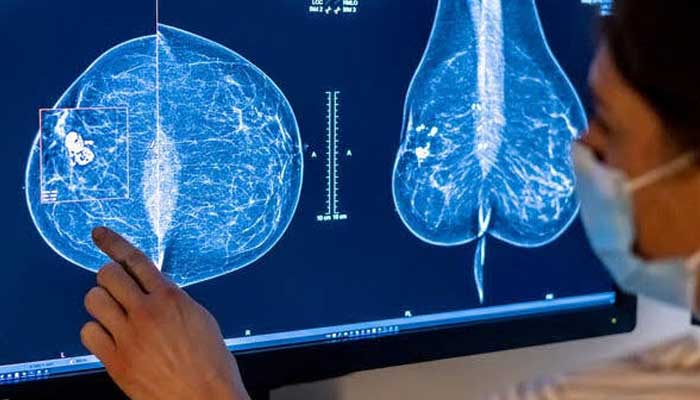
The high-end technology is particularly designed to acknowledge a significant challenge in organized breast-cancer screening, where mammograms are reviewed twice by radiologists even though most examinations were found to be normal.
Under Vara’s new workflow, the AI can easily manage examinations it detects as normal, while cases outside that category are shared with human radiologists for detailed review.
This approach can help in minimising the number of routine scans specialists are required to assess, minimising their workload while keeping human oversight for higher-risk cases.
Moreover, Vara has developed a diligent monitoring system, which is intended to ensure the AI consistently delivers appropriate readings.
Evidence behind the system
Notably, Vara has utilised its AI in Germany’s national breast-screening program since 2019. Its technology was assessed in the PRAIM study, which was published in Nature Medicine in 2025 that followed 461,818 women across 12 screening sites.
The study discovered that AI-supported screening identified 6.7 cancers every 1,000 women, in contrast to 5.7 per 1,000 through standard double reading, representing a 17.6% raise in cancer detection.
The AI-supported workflow also recorded a slightly lower recall rate, at 37.4 recalls per 1,000 women versus 38.3 per 1,000 with standard screening.
However, the certification does not let AI to independently diagnose breast cancer. Rather it allows the system to make a certain normal-case decision, while other examinations continue to be reviewed by radiologists.