
The Japan Aerospace Exploration Agency (JAXA) successfully launched its Martian Moons eXploration (MMX) mission aboard an H3 rocket from the Tanegashima Space Center, embarking on a pioneering attempt to collect material from Mars’ moon Phobos.
A revolutionary journey across deep space
The 4,200-kilogram spacecraft will travel nearly ten months to orbit around Mars by August 2027. Once in position, MMX will spend roughly three years studying the Red Planet’s two satellites – Phobos and Deimos – and deploy a small French-German rover named “Idefix” to scout the rugged terrain.
Unlocking the secrets of the solar system
During its stay, the probe will execute two soft landings on Phobos to gather at least 10 grams of regolith. Scientists hope these ancient samples will resolve a long-standing debate: whether Phobos is a captured asteroid or remnant debris from a massive impact on early Mars.
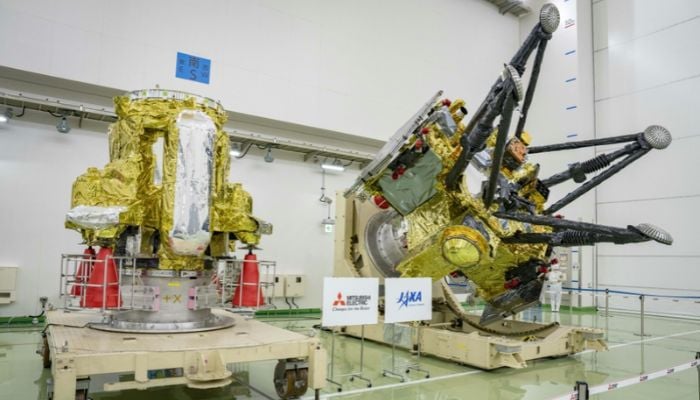
The Earth return timeline
After completing observations, the return capsule is scheduled to depart Mars in 2030 and deliver its extraterrestrial cargo back to Earth in 2031. Landing in the remote Australian Outback, the samples could offer critical insights into planetary formation and the distribution of water across the early solar system.