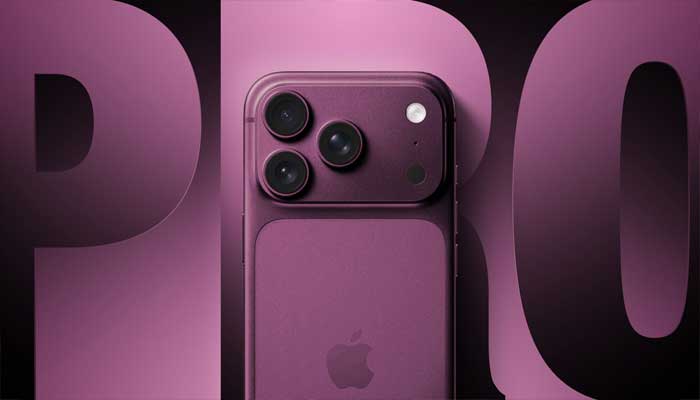
Apple’s forthcoming iPhone 18 Pro is likely to have a significant impact on the handset market, with the company likely to launch some major changes in artificial intelligence, foldable devices, and its conventional iPhone launch strategy.
Google Gemini brings new AI direction
One of the significant changes is the Cupertino-based tech giant’s reported integration of Google Gemini technology into iOS 26.
While the company continues to underscore privacy via its own infrastructure, heavily depending on Google’s AI-powered technology that could hint towards a major change in the company’s approach to mobile artificial intelligence.
This major move could solidify the company’s position in the AI race, especially as Apple Intelligence has struggled to match the integration level offered by several Android rivals.
iPhone Ultra could transform foldables
Another significant development is the expected launch of the iPhone Ultra that would mark Apple’s entry into the foldable smartphone market.
The South-Korean tech giant has dominated mainstream foldables since releasing the Galaxy Fold in 2019. The company’s entry could provide the category boost by bringing foldable technology to a broader audience.
Notably, the release could intensify competition between Samsung and Apple as both the rivals target the premium handset segment.
Apple changes the iPhone launch strategy
Apple is also likely to split the iPhone 18 lineup into two release cycles. The flagship series, including iPhone 18 Pro, iPhone 18 Pro Max, and Ultra are expected to arrive in late 2026, while the standard iPhone 18 and iPhone 18 Air could follow in spring 2027.
Together, Apple’s AI strategy, foldable ambitions, and revised release schedule could transform competition across the smartphone industry.