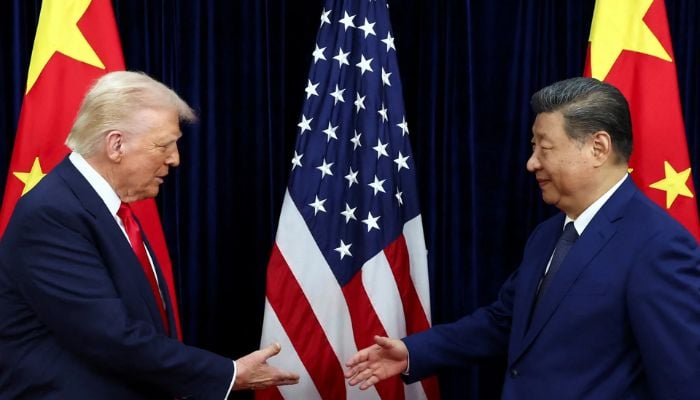
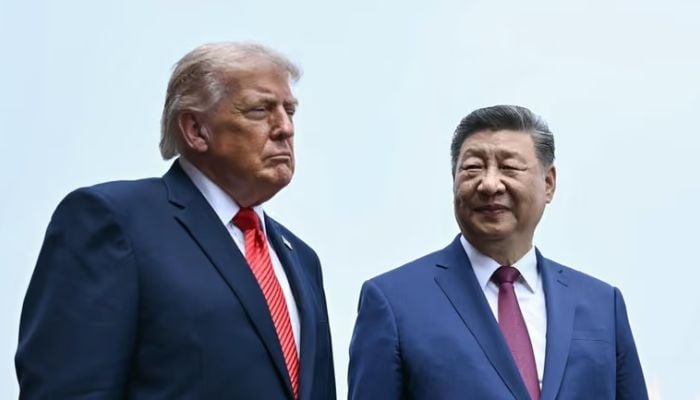
US President Donald Trump and Chinese President Xi Jinping are gathering for a high-stakes summit centered on setting international standards and bilateral safety mechanisms for artificial intelligence
The landmark discussions reflect growing recognition from both global powers that unchecked technological advancement poses significant cross-border risks.
Frameworks for AI safety
Negotiators led by U. S. Treasury Secretary Scott Bessent and Chinese Vice-Premier He Lifeng laid the groundwork in Manhattan, proposing a dedicated AI notification mechanism.
This initiative aims to address national security incidents and establish communication channels to prevent machine-driven escalation.
Key areas of discussion include potential guardrails for autonomous cyber operations, open-weight model proliferation and human oversight over strategic weapon deployments.
Navigating economic and strategic competition
Despite the push for shared safety benchmarks, the dialogue exists against a backdrop of intense technological rivalry.
While President Trump continues to push for American dominance in artificial intelligence infrastructure and compute capability, Beijing remains committed to advancing its foundation models and military capabilities.
Both administrations acknowledge that managing shared exposure to technological disruption is essential to protecting broader economic stability.
A step toward institutional governance
Diplomats emphasize that the talks represent an initial attempt to contain existential risks rather than a comprehensive global treaty. Establishing regular AI safety dialogues creates a foundation for ongoing risk reduction between the world’s two largest economies.
As advanced models scale rapidly, both leaders face pressure to balance national competitiveness with international safety protocols.