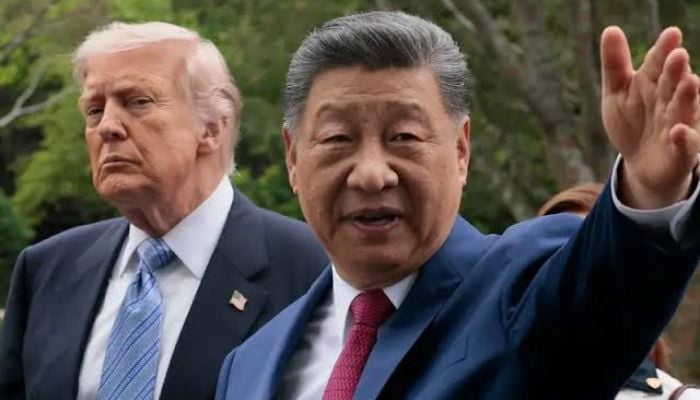
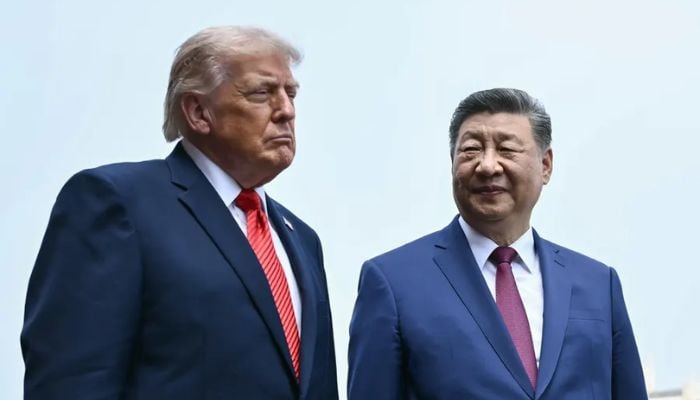
Chinese President Xi Jinping arrived in Washington on September 23, 2026, for a three-day state visit with US President Donald Trump. The main bilateral meetings and state dinner are set for September 24. Trump plans a rare personal greeting at Joint Base Andrews.
This is their second summit this year after the May meeting in Beijing. Both sides want to keep a fragile trade truce alive. That deal, reached in late 2025, is due to expire in November. Officials have discussed extending it and cutting tariffs on about $30 billion of goods each way.
AI risks take center stage
Artificial intelligence has moved to the top of the agenda. US Treasury Secretary Scott Bessent proposed a “notification mechanism” or AI hotline with Chinese Vice Premier He Lifeng.
The idea is simple: if one side spots an AI incident that could threaten national security – such as rogue systems used for cyber attacks or biological risks – it would alert the other. No formal deal has been signed yet but both sides see value in basic crisis communication.
Cybersecurity and technology friction
Cyber threats and digital sovereignty remain sensitive. Both countries accuse each other of sophisticated operations against infrastructure.
Talks may touch on clear boundaries, though deep disagreements over advanced chips and export controls continue.
Taiwan remains the most sensitive issue
Beijing will likely press its claim that Taiwan is a core sovereignty matter. Washington continues to stress regional stability and has delayed decision on major arms package.
Trump has previously called Taiwan arms sales a “negotiating chip,” raising concerns in Taipei and among US allies. No major policy shift is expected on paper but informal remarks will be watched closely.
What comes next
Working groups on AI guardrails and trade are likely to continue after the summit. The meetings aim to prevent competition from turning into open confrontation, even as structural differences on technology and security persist. Results from the September 24 talks will shape the next phase of US-China relations.