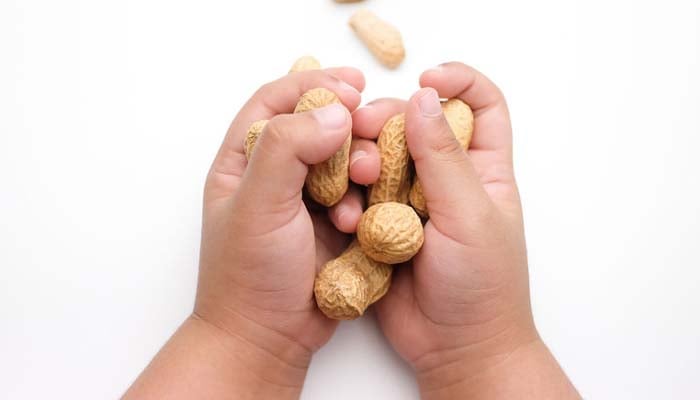
Toddlers face increased peanut allergy risk if older siblings eat peanuts, study
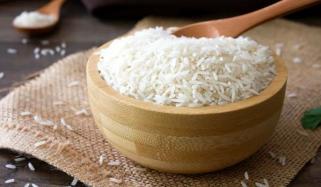
A recent study revealed that young kids are at a higher risk of developing peanut allergy if their elder sibling is fond of eating peanuts.
As per the study presented in the American Academy of Allergy, Asthma & Immunology (AAAAI) in Philadelphia, children were “at increased risk of peanut sensitization and allergy if the younger sibling did not introduce peanut into their diet in the first year of life and had household members consuming peanut,” lead researcher Dr. Michelle Huffaker stated.
Peanut allergy symptoms include hives, itchy skin, swelling of the face, throat pain, wheezing, vomiting, and diarrhea.
For the new study, scientists followed up on the younger siblings of children who’d participated in an earlier clinical trial, known as Learning Early About Peanut allergy (LEAP).
Researchers analyzed the household peanut exposure of the children, depending on what they are learning from their elder siblings.
Results indicated that the children were 16 times more likely to develop a peanut allergy and 13 times more likely to become sensitive to peanuts if their families, and especially their older siblings, really like to eat peanuts and other peanut products.
“This risk was even greater for the younger siblings with eczema,” particularly if they’d had eczema for longer, Huffaker said.
However, this risk can be easily eliminated if a kid is introduced to peanuts during the early years of their life.
Notably, these findings are currently considered preliminary until published in a peer-reviewed journal.